Percussion & Drumming
Very Good Morning Steemians,
Today early morning I came with steempeak for share another traditional thing of my country. Drums are our cultural heritage. The drum is a unique item of Buddhist culture as well. The drum of man was used to send out hostile tactics, to send messages, to show time, to lead troops, to conquer, to console, to console, to enchant, to prosper in cultural and artistic pursuits. Please remember, I never mentioned here about western drum. This is a local drum. Sinhala meaning is Beraya (බෙරය ).
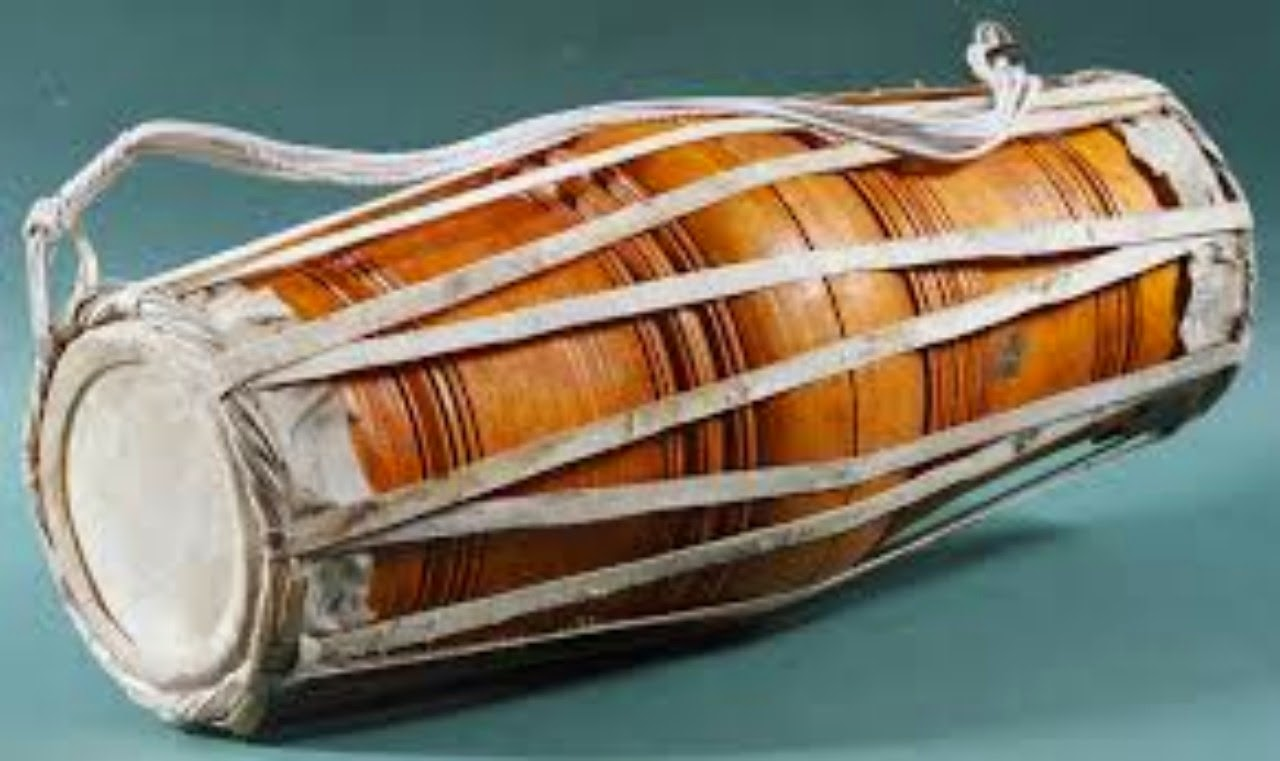
Image source: Gata beraya
People who are in normal health conditions may find this drumming to be more pleasing to the listener, more regular in the circulation of the blood, and more efficient. There is no doubt that the sound emitted by the drums is the destruction of germs in the surrounding atmosphere. It may also attract positive energy. On the one hand, these Sinhala drums are an invocation. The drum (playing tunes) will decide who to invite.
When invited to those positive or negative energies, they can satisfy themselves with the drumming and reduce their bad effects after leaving and increase the positive effects. The drummer is a very powerful orchestra to use for the sake of peace and harmony.
Sinhalese art has succeeded in protecting the identity of the Sinhalese and not giving it to foreigners. The dancing and the drumming are the highest among the Sinhala arts. Most importantly, the use of drums in Angampora martial arts is one of our great techniques in learning Sinhala history. Angampora can be traced back to King Rawana's grandfather. The acoustics of the drumming harmonize with the rhythm of the drummer. That is to say that the Sinhala drum bears a history of seven thousand years, or perhaps even beyond.
Various sources indicate that even the tribal people have been playing drums for sacrifices, fire gods, demons, and the dead. Information about drums is heard from both Eastern and Western societies. Drumming in Sri Lanka too has a long history but little is known about it.
In modern Sri Lanka, upcountry drums or Gata beraya, low country drums or yak beraya, daula, rabana, udakkiya, thammattama, tamboruwa, bung mandiya, green drum etc. The above items are artifacts that bring the Sri Lankan identity from an ancient time. This traditional drumming technique is one of the most advanced orchestral instruments. Also, the Sri Lankan drumming style as a communication language is currently evolving on logic.
There are two types of drums that are native to the Sinhalese. It is the upcountry drum, the knot drum and the low country yak drum. The bass drum and the yak drum are similar in shape and finish to those of any other country in the world. Geta Drum and Yak Drum is one of the most remarkable creations of the ancient Sinhalese. The main ingredient of the South Country Ruhunu Dance tradition is the Yak drum.
Yak drum is born
There are many different stories about the birth of the drum. It is said that Lord Buddha Kukusanda, the first Buddha attained enlightenment, created a drum on the day of the Enlightenment and the divine son, Panchashikha Gandharva, spent it. It is said that the drum created by the Divine Visakarma was three and a half large and the drums were made of red sandalwood and gold.
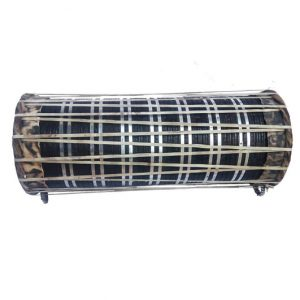
Image Source: Yak Beraya
Drum-making activities
Old drummers have practiced a variety of methods in making drums. The orchestra selects a suitable tree for a good look and selects a tree. Plants that have been struck down in the tree selection, plants that have been damaged by the trunk of the tree are not picked by other tools. Then the artist who walks into the tree with auspicious permission draws coconuts around the tree, smells it with flowers, and permits the goddess of the tree, the fourth god, the Gandhar and the deities to take it to the ground.
The four passages allow for poetry, sloka, stotra, yadini, and light singing. Thursdays or Saturdays are used for such offerings. After the sacrifice, a new moon is used to cut down the tree. On that day the mantra is cut and the tree is cut in auspicious time.
When three and a half inches long, one and a half feet, the drummer sets the bar. The trench is dug by the Aswedha Nakshatra. Then the hen yoga poses on the sides of the drum. It is said that this henna yoga, which is held every 10 years, is an ideal aesthetic for orchestras. It is said that before the drum was finished, the life-breathing mantra was recovered and the drum was set on fire.
Preparation of the trunk
The drum, specially crafted from timber, digs for about an inch. After digging the stem should be uprooted. It should be dried slightly. During the drying process the wood props into the hole inside the trunk to keep the stem from pulling up. Once the drum is well dried, the resin is heated to the bottom of the drum to prevent the release of gas and prevent damage to insects.
Apply furry leather
Furrows are used to apply leather to both sides of the drum. Kepitiya, Ratmal, Ratambala, Radaliya, Malkara and Siyambala are used for this purpose. The sticks are dried in the air and the coconut oil is heated in a fire, except for the bark.
Perforated fabric drapes perfectly into the eye of the drum. Cappitia cones are ideal for these vines. The special chemicals of the carpitia tree do not harm insects.
The mouth of the drum is the same diameter on both sides of the eye. It is one. The eye of the drum is made from the cow's milk. When done, both sides are in sound mode. Are different from each other. One of these is the hi side. The beak bay soaked in the drum pack is placed on the hook to prevent it from falling.
Thong
Drum Strip The tape to hold the drum in place. Beef skins are used for this purpose. The skin is cut into thin strips, which are 6-8 mm in width by a rounded beef. The cuticle skin is well dried. About 4mm thin cuttings are known as cuticles. The earphones, which are used to hold the rope to hold the drummer's waist, are arranged in this manner. The cuttings are then laid on it and drawn in strips. Cut 12 -14 holes before pulling the belt. Wrap a belt around it. The rebellion is wrapped like a cord. These are all known as rebellion cutting knots. Then the canvas is applied. Its length is about 7 feet. The rope is a piece of cloth.
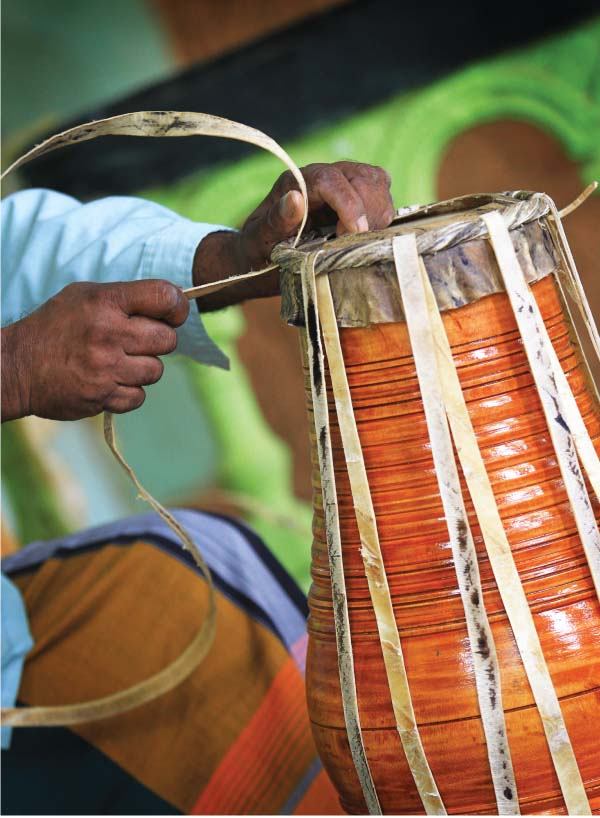
Image source: Here
The drummer
It is compulsory for the drummer to be a dreamer of religion. Also, one must be in good health with proper physical features. The hands should be properly positioned so that the fingers with the muscles are not stretched too much and not too big.
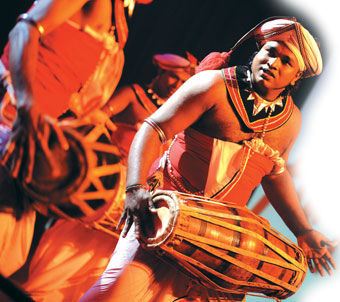
Image Source: Drummer
Percussion drums
The costume of the drummers varies according to the style of the upcountry, the south, the saparagamuwa and the dances. It is customary to wear a dress at appropriate costumes. To do this, wear a headband. A pseudo garment is about four and a half cubits round its head. A beautiful band, the Gazam band, binds on this volume. A bead necklace is exposed. It has a wavy mantel made of colorful beads. A bundle of silver or brass bands. For this, a garment of about six cubits is made of wrinkled waist, with a wrinkled waist. About ten inches of belt is a belt tape.
(Tradition of Matara)
- Socks pants
- Lovitchi
- Silambu
- White cell
- Wear white cloth
Play Drums
The right-of-way drum technique has been inherited from Matara and Benthara. Although there are slight differences between the two patterns, this distinction has hindered the development of drumming. Percussion is a fine art. It is also a skill that must be exercised with great restraint. Since the art of drumming has been a tradition, this technique has been based on a good teacher relationship. There are also newcomers to the drumming industry. However, both amateur and amateurs who are involved in the art of drumming must learn the art of drumming.
There is a shock when the drum hits the skin. It produces acoustics. These are called acoustic drums. The drummer should carefully study the acuity, sound, and pitch of the sound.
This article is a tribute to the services rendered as a medicine, occasional meditation, occasional music, occasional war hero, and the drumming that directly contributed to the preservation of the triad of nationhood. I try to give better explanation from English words. But I missed to write correct English names for some places because some sinhala words couldn't translate correctly to English. Apologize from you all. However I do my best. Thanks for reading. See you next. Have a great day.
This post has been resteemed by @original.content.
Follow me to keep up-to-date with posts tagged #oc and the author on ocdb's follow list.
If you don't like this message, please reply
STOPand I'll cease notifying you ASAP.Powered by witness untersatz!
Stop
Posted using Partiko Android