IPS Module: Structure, Working, and Industrial Applications
Introduction
Modern electronic devices rely heavily on high-quality display systems to deliver clear, accurate, and stable visual output. One of the most widely used components in this field is the IPS Module. It is a complete display solution based on In-Plane Switching (IPS) technology, designed for applications where color accuracy, wide viewing angles, and reliable performance are essential.
The IPS Module is commonly used in smartphones, industrial equipment, medical devices, automotive systems, and embedded electronics due to its balance of performance and easy integration.
What Is an IPS Module?
An IPS Module is a fully assembled LCD display unit that uses IPS (In-Plane Switching) technology. Unlike a bare IPS panel, the module includes all necessary components required for operation.
These components typically include the IPS LCD panel, backlight unit, driver ICs, polarizers, and sometimes a touch screen layer. All these parts are integrated into a single structure to create a ready-to-use display solution.
Because it is pre-assembled, an IPS Module can be directly installed into electronic devices without requiring additional display assembly work.
Structure of IPS Module
The structure of an IPS Module consists of multiple layers working together to produce a high-quality visual output.
The IPS LCD panel is the core element responsible for image formation using liquid crystal alignment.
The backlight unit provides the light source needed for visibility in different environments.
Driver ICs control pixel activation and image processing, ensuring smooth and accurate display output.
Optical films and polarizers manage light direction, improve contrast, and enhance image clarity.
In some configurations, a touch panel layer is added for interactive applications.
How IPS Module Works
The working principle of an IPS Module is based on In-Plane Switching technology combined with integrated electronic control systems.
Inside the IPS panel, liquid crystal molecules are aligned horizontally between glass layers. When voltage is applied, these molecules rotate within the same plane, allowing light to pass through evenly.
The driver ICs control each pixel based on input signals, while the backlight ensures consistent illumination. This combination produces stable color reproduction and wide viewing angles.
As a result, the IPS Module delivers high-quality visuals with minimal distortion and excellent consistency.
Advantages of IPS Module
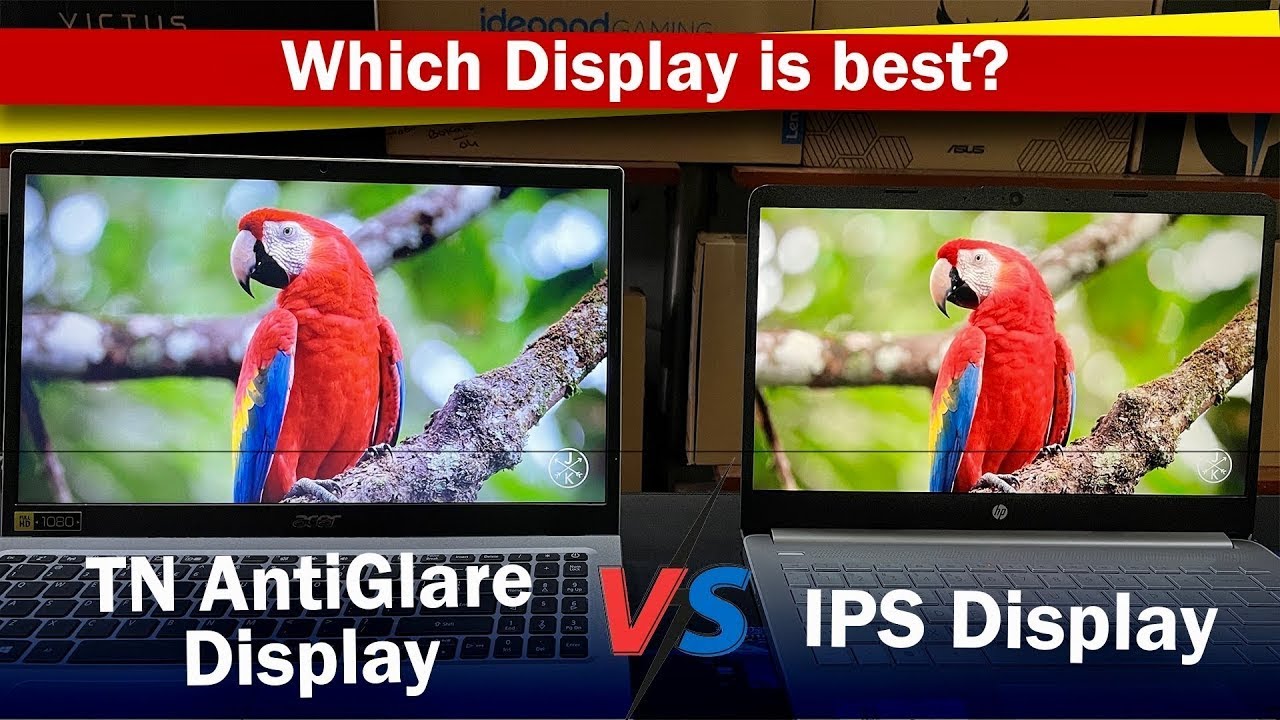
One of the main advantages of an IPS Module is its excellent color accuracy. It produces more realistic and stable colors compared to older display technologies.
Another important benefit is wide viewing angles. The display remains clear and consistent even when viewed from extreme angles.
An IPS Module also provides stable image performance with reduced color shifting and flickering, making it suitable for professional and industrial applications.
Ease of integration is another major advantage. Since it is a complete unit, manufacturers can easily incorporate it into devices without complex assembly processes.
Applications of IPS Module
The IPS Module is widely used across many industries due to its versatility and reliability.
In consumer electronics, it is used in smartphones, tablets, laptops, and smart devices where display quality is important.
Industrial systems use IPS Modules in control panels, automation interfaces, and monitoring systems where clear visualization is required.
In medical equipment, IPS Modules are used in diagnostic devices and patient monitoring systems that require accurate visual data representation.
Automotive applications include dashboards, infotainment systems, and navigation displays where consistent performance is essential.
IPS Module in Industrial Use
In industrial environments, an IPS Module plays a critical role in ensuring reliable human-machine interaction.
It is commonly used in HMI (Human Machine Interface) systems where operators need real-time access to machine data.
Its durability and stable performance make it suitable for environments with continuous operation and varying temperature conditions.
Because of its wide viewing angles and clarity, it helps improve operational efficiency and safety in industrial settings.
IPS Module vs IPS Panel
The main difference is that an IPS panel is only the display layer, while an IPS Module is a complete functional unit.
An IPS panel requires additional components such as backlight and driver circuits, whereas an IPS module already includes all necessary parts.
This makes the IPS module more convenient for manufacturers and system integrators.
Future of IPS Module Technology
The future of IPS Module technology is focused on higher resolution, better energy efficiency, and improved durability.
Manufacturers are developing thinner modules with lower power consumption and enhanced brightness performance.
Integration with touch technology, smart interfaces, and advanced backlighting systems is also expanding the use of IPS modules in modern devices.
As demand for high-quality displays continues to grow, IPS modules will remain a key solution in both consumer and industrial markets.
Conclusion
The IPS Module is an essential component in modern display technology, offering a complete solution that combines IPS panel performance with integrated electronic components.
It provides excellent color accuracy, wide viewing angles, and reliable performance, making it suitable for a wide range of applications including consumer electronics, industrial systems, medical devices, and automotive displays.
As technology advances, IPS modules will continue to evolve, delivering even better efficiency, performance, and integration for next-generation electronic systems.