Addressing misbehavior, respectfully
Severe types of disruptive behavior in schools, such as physical violence, theft, robbery, and vandalism, occur in most schools. When they do, they usually happen in corridors, and outside school buildings rather than in classrooms. If an educator is present when they happen, the educator must, of course, take appropriate action to protect other learners, stop the behavior and report the incident to school and/or legal officials.
The focus of discussion here is on the more typical instances of classroom misbehavior:
tardiness, inattention, talking, name-calling, mold forms of verbal aggression, pushing, punching, neglecting academic work, and refusing to follow directions.
These types of disruptive and unco-operative acts happen frequently in classrooms, and educators are expected to deal with them as part of their responsibility.
When talking about more serious "school crimes" and bullying, the educator's action should be cautious, sensitive, responsible, commonsensical and forthright. The people involved should be turned over to the authorities. The school should have a clear policy in this regard and the school rules regarding serious misdemeanours should be applied consistently.
Educators are expected to teach; learners are expected to learn.
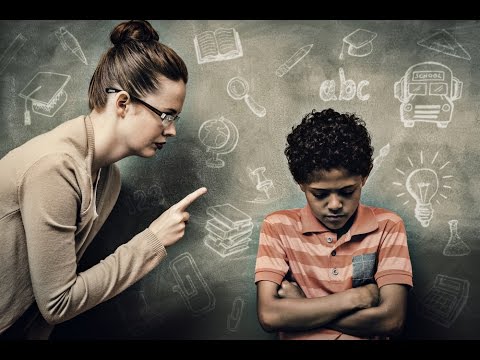
Probably the key to understanding what should be done when classroom misbehavior occurs is to think of it in the context of what is expected in classrooms.
Educators plan classroom activities in order to accomplish certain learning expectations or outcomes, and they arrange what they and the learners do based on those plans. When learner behavior does not inhibit the accomplishment of the educator's purposes, difficulties normally do not arise. Problems occur when learner behavior is at cross-purposes with educators' expectations. This then constitutes misbehavior.
Sometimes the misbehavior is limited to a single learner whose actions are inappropriate; at other times, it is more widespread. Even a small degree of disruptive behavior is likely to be visible to other learners, and this, in turn, means that it may spread to others in the class.
When misbehavior occurs, the educator's tasks are:
- to prevent it from spreading
- to extinguish it
- to get the class back on track.
But HOW???
See, now this is where it gets interesting!!!
Non-verbal communication can be pretty LOUD and CLEAR cues most of the time.
REMINDERS, clear terms and NO HOSTILITY works best.
An assertive tone is required. It is also not necessary to make a public spectacle of the imposition of penalties. Privacy will earn respect.
What is important is that a positive relationship should be re-established between the educator and the learner.
Some effective specific interventions are non-verbal signals such as direct eye contact, frowns, gestures, and the educator's movement toward the misbehaving learner or learners. Others are verbal "soft imperative" suggestions or questions such as "It's time to settle down", "Why don't you get your book out quietly?"
Others include praise, manipulation of privileges, isolation, seat changes and detention.

Effective cognitive behavior modification techniques tend to be more than simple rewards and punishments. They also emphasise that learners should be taught to think about their behavior and accept responsibility for it. They teach learners self-monitoring and self-control skills.
Interested readers may find the following article useful. Elaine Gallagher shares some activities for classroom management: http://mx.unoi.com/2014/08/27/8-activities-for-classroom-management/
Consistency is vital for good discipline!
Be fair!


Nice post!