Discrimination - I Stand with You
I really want to talk to people from different groups about their experiences with discrimination, prejudice, intolerance, bullying and abuse. I often find that there is a cultural gap and a high degree of sensitivity that makes even starting such a conversation likely to lead to immediate miscommunication, a tendency to assume the worst in me, and a general lack of understanding that prevents me from better understanding. It took several people and a few years to really help me understand #BLM (too) and that some police commit terrible acts of violence and discrimination against others.
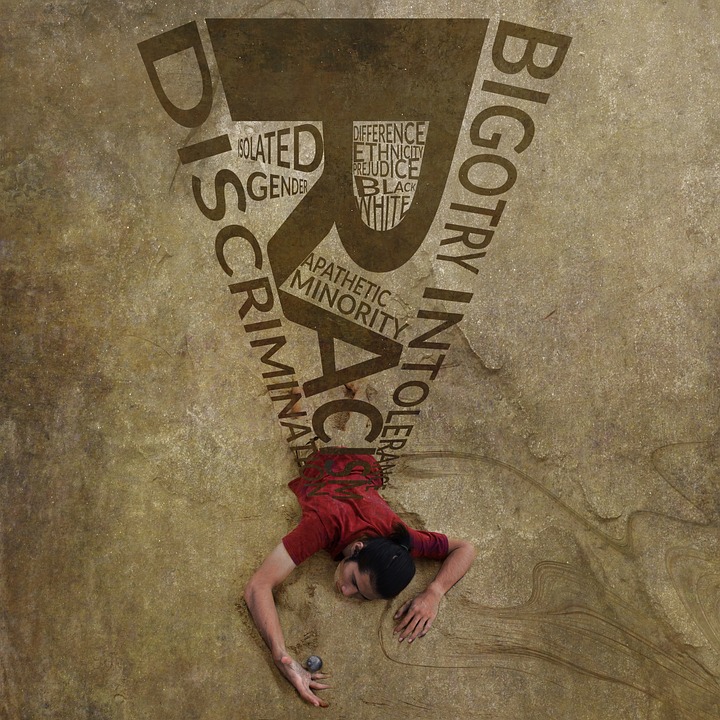
Discrimination is one of those topics you can't really talk about with people outside of your "group" (whether it be "race", ethnicity, religion, creed, gender, sexuality, disabilities or something else) without potentially getting someone upset, especially if the person you're talking to happens to be from one (or more) of the groups that is a minority and is discriminated against. It's even worse if you happen to be from the dominant group that is doing most of the discrimination. Many forms of discrimination are very old and are often centered around physical differences or religion. It is easier to discriminate against someone when you can see how they are different, be it through mode of speech, behavior, clothes, physiology, jewelry or something else that can easily be sensed.

There is a strong correlation between who is discriminated against, how badly they are treated, and how much of a minority that group is. Indeed, in different countries the roles are starkly contrasted. In the legally pluralistic US, for example, Christians and Caucasians dominate. Despite the Bible, groups that are discriminated against include physically different minorities (Black, Hispanic/Latino, Middle Eastern, Indian, Native American, African, Asian) as well as those who can be determined to belong to an "unacceptable" group, such as those with disabilities (physically and mentally handicapped, except those that aren't obvious), members of religions that dress differently (Hassidic and other Jews, Muslims, Sikh, Hindus, etc.), LGBTQ (if they admit or present themselves characteristically through behavior and/or speech), and even women.
While I lived in Indonesia, another pluralistic democracy, I observed that the Muslim majority discriminated against people of other ethnicities (both local and foreign, including Blacks, Indians, Chinese and Caucasians), other religions (mostly Christians) and, to a lesser degree, the disabled, LGBTQ and women. That said, Indonesia has already had a female president and there seems to be far less animosity towards the LGBTQs. The Chinese are often Christians, so they have a double target on them - their ability to behave as a cohesive group and employ successful business tactics in many places helps them to compete more effectively than locals, making it look like they cheat. As a result, they have been the target of violence on more than one occasion.

I noticed two key things: Whichever group is dominant is usually the main aggressor, and that culture (which includes history) has a larger influence on behavior towards xeno-groups than most other factors, possibly including religion. You can see the same thing in the US: people raised in a heterogenous culture of tolerance and diversity are less likely to discriminate without reason than those raised in a homogenous society, and those people are far more tolerant than those raised in a culture of hatred towards others. It doesn't matter if the toxic culture is towards the minority or the aggressors - it alters perception and increases the risk of abuse and conflict. To put it another way, if you feel you are in a dominant group that needs to assert itself over "inferior" groups, especially if you've been taught hatred towards them, then that is most likely what you'll do - even if you were adopted into the dominant group and weren't raised that way. If you are in the minority group that is being discriminated against, however, you are more likely to take on a victim mentality, which often includes sadness, defensiveness and/or anger (be it passive-aggressive or rage), and this mentality actually increases your chances of problems, just like I used to have more problems when my attitude towards life was very negative. Negativity invites problems on a subconscious level and you not only send out signals that irritate those who are aggressors, but you also say and do things that encourage the likelihood of problems - even if you are unaware of these actions. I am not referring to not fitting in, although that can be part of the issue; I mean behavioral cues, things you say, and your actions that tend to bring into reality the things you expect will happen as a victim.

I also quickly learned that being a true minority there had some interesting effects. Individuals from groups (especially Muslims and Christians) that thought I might be "one of theirs" were quick to approach me to find out my position because there seemed to be, at some level, a strong desire to have a Caucasian be "on their side." When they discovered that I wasn't from their religion, most of them would disappear from my life. I had students who stopped studying with me because of this difference. But there was sometimes power in my whiteness. I would sometimes get opportunities I have never had in the U.S. I was often approached by young women (as young as 17) trying to get my attention because they were social climbers, looking for a green card, wealth and/or status (foolish them, choosing ME!). One woman contacted me via text message after I did a presentation to teachers, saying she wanted to be my lover - even after I told her I was married and politely turning her down. Within a week of my wife's death, I had half a dozen young women trying to befriend me on Facebook until I posted that I wasn't going to date or get remarried (they knew she'd died because we were used by the media to get higher ratings for our human interest tragedy of cancer and poverty). If I were unethical, I could've played it like one of those horny young men on 'The Bachelor!' Once, during their Independence Day celebration (August 17th), I was asked by one team to complete their ranks for tug-o-war. Despite the fact that I was probably the weakest person on either team, the psychological factor was so strong that someone on the other team complained that it was unfair and that they should get an extra person (making their team larger).
As a Caucasian, I was constantly stared at. It took years to get used to being the object of everyone's attention. In some regions I visited, I was the first Caucasian they'd ever seen. People would greet me with "Hello Misterrrrrrrrrrrrr" (they roll the R there), "Halo bule/londo (Whitey)" or "Halo botak/gundul (Baldy)" and sometimes laugh. A few would tease me about rolling my Rs even though I was doing so quite adequately. Others would be condescending or harass me because I'm from America, especially when Bush was president. Most assumed I was wealthy. For the first few years, I was offended by the stares, comments and calls, but then I realized that many of them were nervous and some were just ignorant. I would often be overcharged for services, food, clothes and other items because of my skin color. Places I worked at wanted me because of my skin color (the Dutch ingrained in them certain beliefs about the cleanliness of white skin as well as strength and intelligence), but were pretty much universally unwilling or unable to pay an expatriate wage.

And then there was the way my wife, a Javanese Indonesian, was sometimes treated. Sometimes, especially the laborers and trishaw drivers, would insult her by calling her a whore and other things. People would assume she was our kids' nanny because her skin was dark, and this was especially true if she was walking with a lighter-skinned friend (with or without me). Once, a police officer caught her making a wrong turn with me riding on the rear of our motorcycle, took her driver's license and told her to take her "customer" (me) home before returning to him to settle the matter (he thought she was a prostitute). She endured many slights because of being married to me, and sometimes my behavior as an expatriate didn't make it any easier. I don't behave like someone from the Deep South's "polite culture", which is quite similar to the Javanese culture, so I inevitably rubbed people the wrong way with my blunt honesty.

It was hard for me, too, because of my blunt honesty. Many people claimed to like blunt honesty but when actually confronted with it, in me, they discovered that they were wrong. Then again, lots of people in the US don't like my honesty, either! Ultimately, I felt isolated with few friends whom I could turn to, until I met an ethnic Chinese guy, Yudi, who became our steadfast best friend as my wife struggled to beat cancer. To be fair, though, during this struggle we received far more support (of all kinds) from strangers in Indonesia than we did from my friends and family in the US.

I observed, too, the racism towards Blacks, who were all considered to be Nigerian drug runners; Indians, who were considered to be stinky; and Chinese, who were all untrustworthy bribers and sometimes the target of egregious violence. I also observed the way they mistreated the Christian minority, although mostly through news reports from far-flung areas of the archipelago, and religious segregation by the supposedly pluralistic regional governments. Violence between different cultures was also prevalent, especially when the Indonesian government performed transmigrations of one ethnic group into another's area. And, the passive resistance of Indonesians towards their bosses (no matter where they were from) was often frustrating and possibly a left-over effect of their resistance to the Dutch occupation of 350 years.

In both countries, I've seen how classism and some of the rich take advantage of the rest of us. I've seen how people use religion, culture, fear and hope to gain power and wealth at the expense of whomever they chose as targets. I've even felt its impact in my own life when I worked for very wealthy people.

In the US, from the time I was a child, I have dealt with discrimination and bullying because of behavior, religion, skin color, beliefs and, now, age. One day, walking through my neighborhood as a young adult, some blacks on their porch called out "Go home, honky!" I responded, "I am home!" and that was that. I haven't actually had that many problems because of skin color. Mostly, I've had to deal with discrimination and bullying because I didn't fit someone else's expectations for behavior, religion and political beliefs. I wasn't the macho type that was the "norm" in the 70s and 80s, so I was targeted for bullying. In the 90s, people assumed I was gay because of this same "abnormal" behavior. In recent years, I've had indications of being rejected for jobs because I'm over 50, although I cannot verify that. Some people were not kind to me because my religious beliefs didn't match their own, but this didn't happen much. Online, I've had many people try to troll me, flame me and intimidate me into being quiet in a country where we're supposed to have freedom of speech. People who disagreed with my statements of belief online unfriended me, blocked me, and/or accused me of being things I'm not (racist, sexist, etc.). I've had people gang up on me to the point of getting me banished because they felt I was a horrible person despite not having done anything wrong (but they decided their interpretation of my actions was more important than my intentions). People who'd complimented me about how much I was helping others turned their backs on me. People I'd admired for helping others backstabbed me. It was very hurtful to me and had a major impact on my job search.
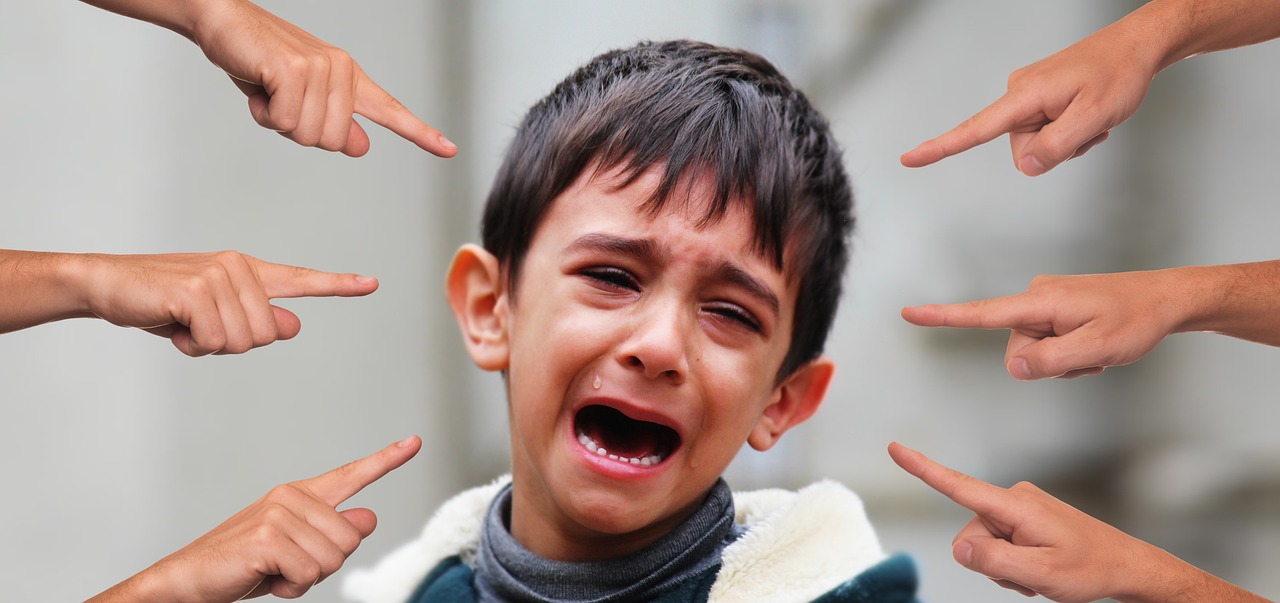
I am not claiming to be the most persecuted person, despite fitting into different minority groups. I'm not asking for pity or help. I realize that my experiences with discrimination are inconsequential compared to what billions of others have endured. I am not asking to be raised up on a pedestal or denigrated because of what I went through and what I'm sharing. I just want to share my story and let you know that I empathize with you, and I wish you well. I want equality, justice, unity in diversity, and understanding and tolerance of others. We are all humans but just because we don't agree with each other doesn't mean we have to resort to violence to resolve our differences. Anyone can lash out with words or physical actions, but it takes a mature person to set these things aside and behave like mature adults.

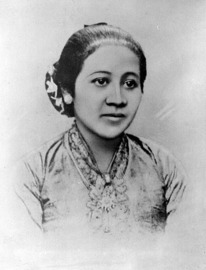
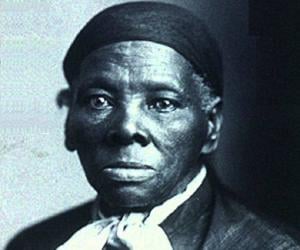
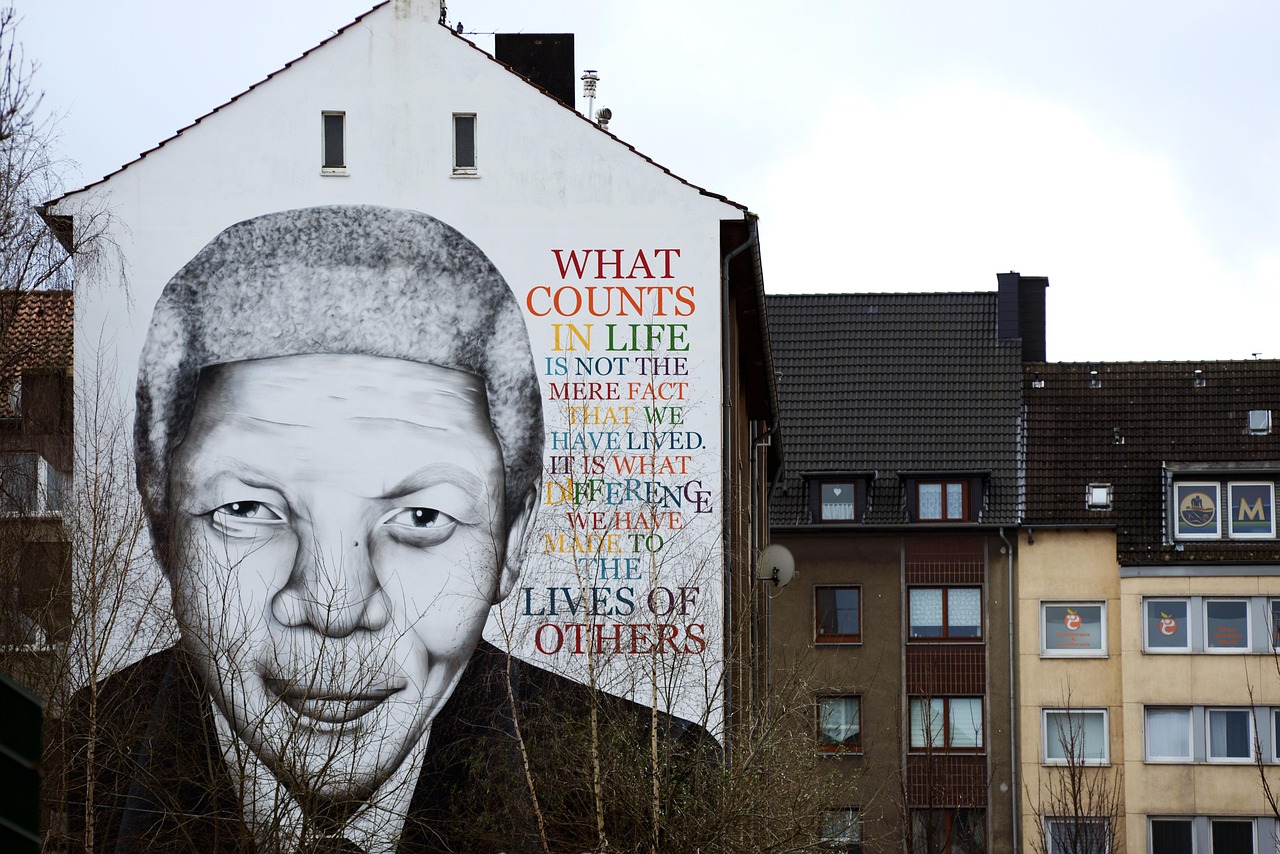
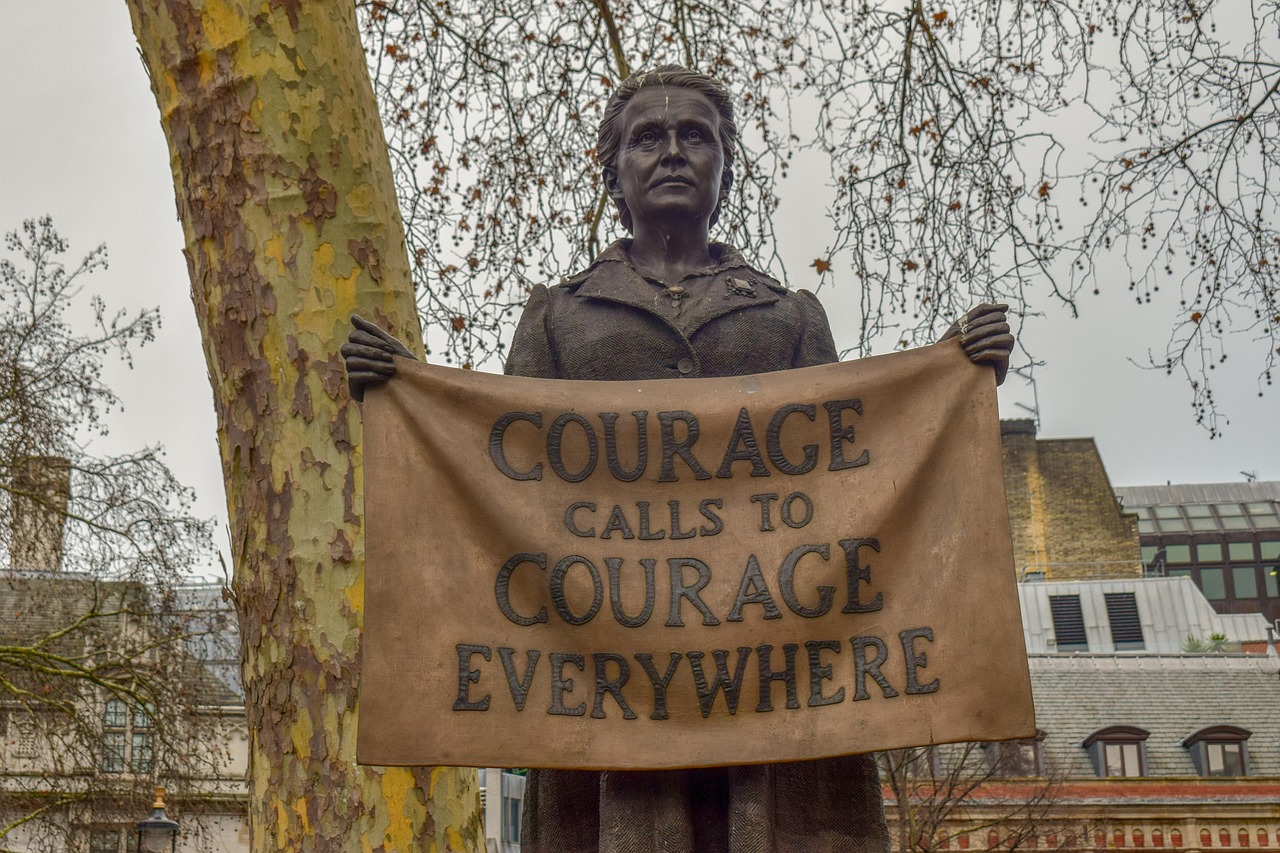
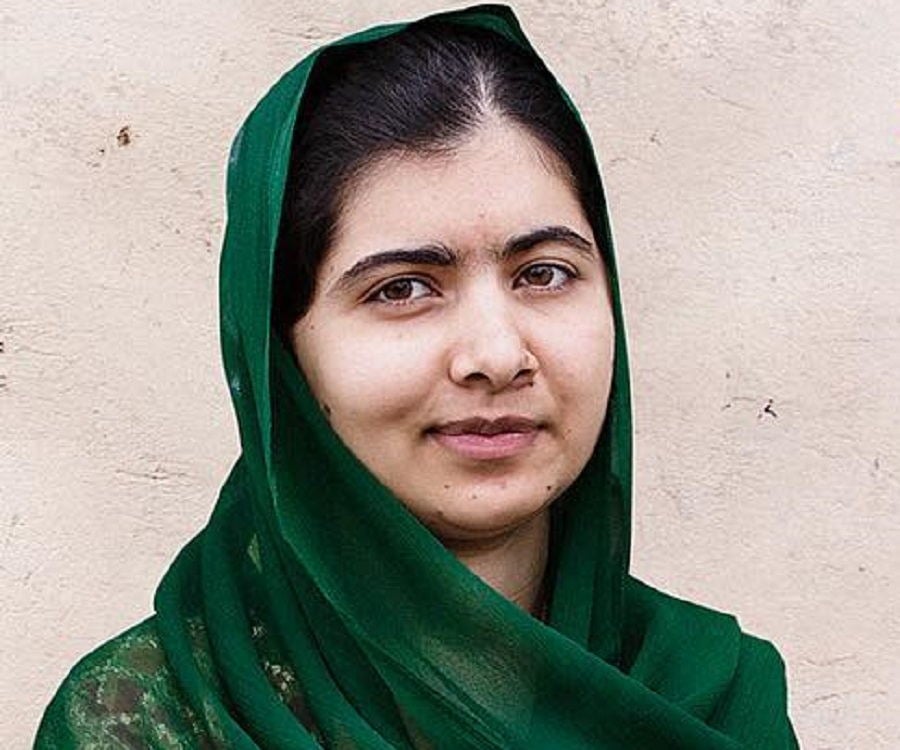
Violence isn't the answer. People like Mahatma Gandhi, Martin Luther King Jr., Nelson Mandela and many other accomplished far more through sacrifice and non-violent resistance because people outside of their group saw their travails and tragedy and empathized with it to the point of forcing changes in the laws and culture of the area or country. The only way to make real changes is for enough people to unite in a common cause, especially to help a minority group. When you start raising weapons, looting, burning and rioting, you become nothing more than criminals who will be dealt with harshly, so be smart and avoid being agitated into stupid actions.

Treasure diversity, find allies everywhere, and make America what we believe it should be - a place of tolerance, diversity, kindness, equality and unity!

Follow in their footsteps and, though you are small, you will be great.


A Final Bit of Advice
If you're in a marginalized group, don't snap at those who are trying to help. Educate them calmly and kindly instead of turning them against you. I've had a few people make really stupid statements like: "All whites are racists," which really disinclines many who might otherwise want to help you. Blanket statements are true for almost noone.
If you appreciate this article, please 🏅upvote/like👍, 🤩resteem/share
and share it to Facebook
, Twitter
, Reddit
, LinkedIn
and wherever else
you can!