Interesting Gray Wolf Facts
Gray wolves are an endangered species. Here are some interesting facts and information about the elusive gray wolf.
Gray wolves are mystic and elusive animals. There are many interesting facts about gray wolves. Wolves are the largest member of the canine family and their existence dates back to the early-mid Pliocene epoch period. It is believed that gray wolves (Canis lupus) evolved during the Pliocene epoch from a smaller, now extinct, species of canidae referred to as the Hare-eating wolf (Canis lepphagus).
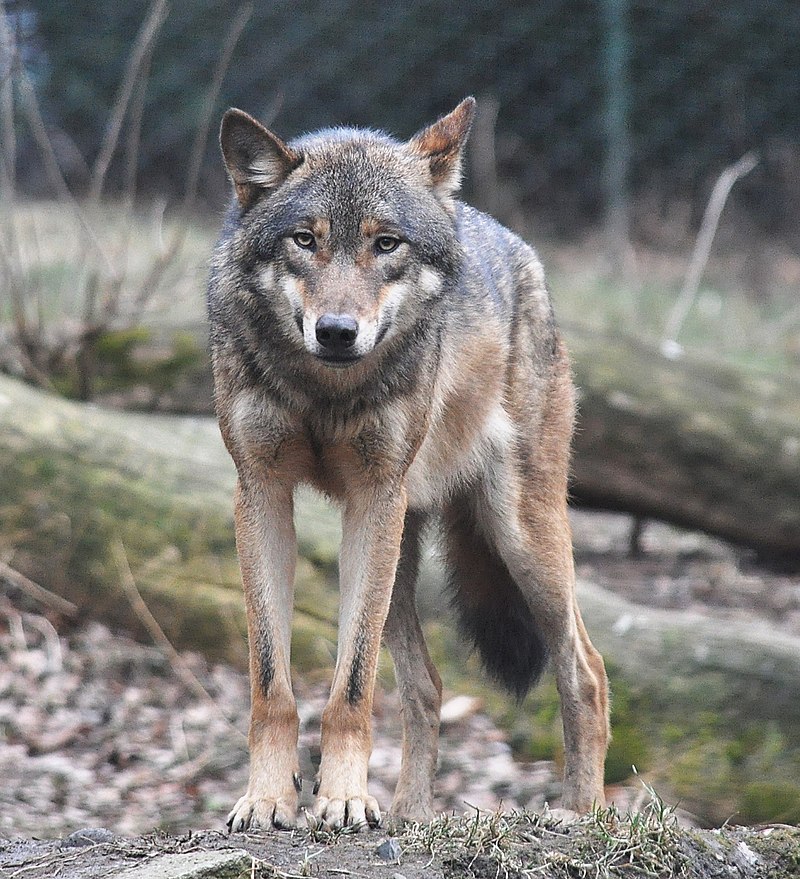
Gray wolves range in size from 41 to 63 inches in length and can measure up to 34 inches in height. Male wolves are larger than female wolves and can weigh as much as 85 lbs. The size of a gray wolf will depend on the location of the wolf. The largest gray wolves can be found in North America while the smallest gray wolves can be found in North Africa.
Gray Wolves Habitat
Wolves live together in small packs of between 2 and 8 wolves with an alpha male, alpha female and several younger animals. The pack leaders are the alpha wolves and they establish the pack hierarchy as well as determine hunting patterns and den sites.
A wolf pack lives in a den which is between 23 to 28 inches in length and 15 to 20 inches in height. The den has several chambers including a birthing chamber in the back where females birth their pups. The den also has up to 3 entrances which are usually covered in thick foliage or dirt.
The location of the den is critical to the safety and longevity of the wolf pack. Dens are often located in elevated areas so that wolves can detect through their sense of smell whether there is an animal approaching or in the general area. The den is also located near a water source so the wolves do not have to travel far from the den for water.
Gray Wolves Diet
Gray wolves are natural hunters. They can run as fast as 38 miles per hour and possess strong neck muscles, powerful jaws and large bone crushing teeth. As a result of their biological and genetic make up wolves are superior hunters.
These carnivorous mammals prefer to feed on animals such as elk, moose, bison, deer and caribou. However, they will also eat smaller animals including hares, beavers, badgers, foxes, waterfowl and squirrels.
In order to catch large prey wolves must hunt in packs working together to bring down the animal they are hunting. They will stalk and chase a large animal until the intended prey tires out and exhausts itself at which point they will attack the animal and kill it by biting down on it's neck or in some cases its nose. When hunting smaller animals wolves will simply chase it, overcome it and kill it.
Gray Wolves Enemy
The elusive gray wolf has several enemies including brown bears and cougars in North America, striped hyenas in Central Asia and tigers in Russia. Tigers can quickly overcome and kill a wolf. The outcome of a wolf encounter with bears, cougars and hyenas will depend largely on the number of wolves in the pack at the time of the encounter. Wolves will most often drive a predator away when in a large pack.
The largest threat to the gray wolf are human beings. Hundreds of years of hunting and killing has reduced the gray wolf population to dangerous levels. As a result, the gray wolf is listed as an endangered species.
Gray Wolves Communication
Gray wolves communicate in a variety of ways including body language and vocalization. Vocalizations include howling, barking and whining. Body language can be expressed through raised hackles, tail posture, body posture, licking, lying down and baring teeth.
Howling is usually a way for wolves to communicate potential danger to the pack. For example, if a wolf pack has killed its prey and another animal or human approaches or is in the area the pack will howl.
Gray wolves have been listed as an endangered species due to their declining numbers and declining territory. Wolves are protected from poaching, hunting and killing in order to help establish their numbers and protect them from possible extinction.
Resources:
Wolves, Wolf Pictures, Wolf Facts https://www.nationalgeographic.com/animals/mammals/g/gray-wolf/
Gray Wolf https://en.wikipedia.org/wiki/Gray_wolf