Strážca cintorínu / Graveyard watch
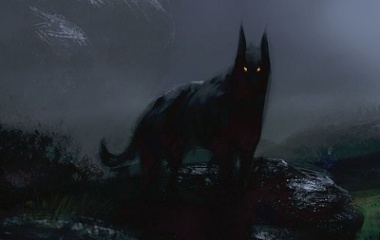
V Anglickom folklóre má postava čierneho psa svoje čestné miesto. Často to býva záporná postava. Tento pes je zlý, zlomyseľný, útočí na ľudí na križovatkách ciest a často robí poskoka čarodejniciam, mágom, černokňažníkom a niekedy dokonca samotnému satanovi. JE väčší ako obyčajný pes a má žiariace oči. Nájdeme ale aj kladnú verziu čierneho psa.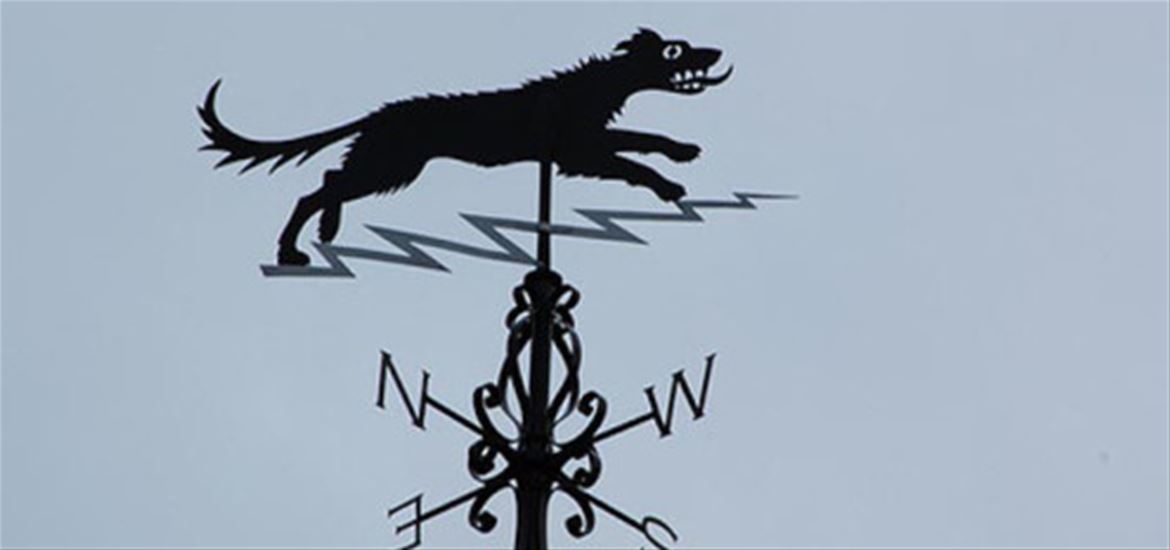
Church Grim
V Anglickom a Škandinávskom folklóre sa ale objavuje aj postava čierneho psa ako kladná postava. V stredoveku sa totiž verilo, že každý cintorín potrebuje svojho strážcu. Strážcom cintorína sa stala vždy prvá bytosť pochovaná na cintoríne. Aby cirkev neodsúdila niekoho dušu na večné stráženie cintorínu tak v severnom rohu pozemku vždy pochovali úplne čierneho psa. V niektorých prameňoch sa uvádza, že ho pochovávali pod základný kameň a za živa. Čierny pes sa zdržiaval zväčša vo veži kostola alebo na inom ťažko dostupnom mieste kde ostáva pre ostatných skrytý. Tento čierny pes sa stal strážcom cintorínu. Strážil cintorín pred vykrádačmi hrobov aby doprial zosnulým pokoj po smrti, odháňal čarodejnice, zlých duchov a dokonca aj satana aby nebol cintorín znesvätený. Tohto čierneho psa nazývali Church Grim aka Strážca.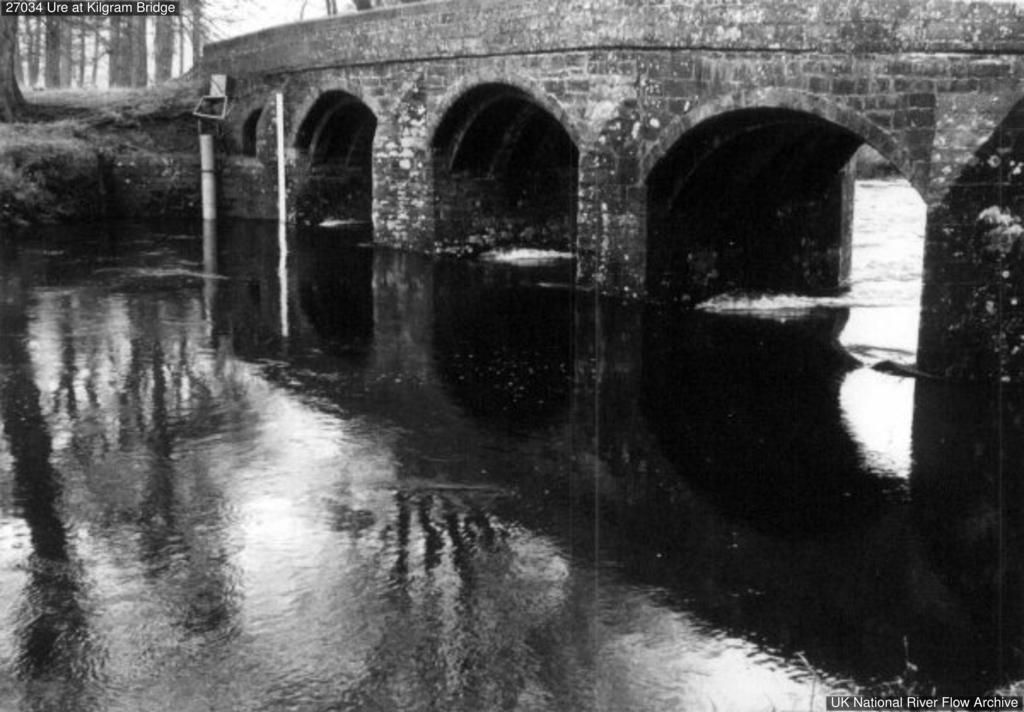
Kill Grim
Jedna legenda hovorí, že občania Severného Yorkshiru vždy keď postavili most cez tunajšiu rieku tak ho zmietli záplavy. Keď už boli zúfalí prišiel za nimi diabol a sľúbil im, že im postaví most ktorý nezmetie žiadna záplava. Podmienkou je, že prvý kto prejde most bude jeho strážcom na veky vekov. Po dostavbe mostu ľudia váhali a most nepoužívali. Báli sa, že keď most prejdú zomrú a ich duša bude na veky strážiť tento most. Miestny pastier preplával na druhu stranu rieky a začal pískať na svojho psa Grima. Ten sa ku nemu rozbehol cez most a na jeho konci padol mŕtvy a stal sa jeho strážcom. Mostu sa od vtedy hovorí KilGrim Bridge. Neskôr bol premenovaný na Kilgram Bridge ktorý dnes nájdeme v Severnom Yorkshire cez rieku Ure.
Koniec
EN
Translated from Google Translator
In English folklore, the black dog's character is his honor. It's often a negative figure. This dog is evil, wicked, attacks people at road junctions and often makes a hurry to witches, magicians, blacksmiths and sometimes even Satan himself. He is bigger than a regular dog and his eyes are glowing. We also find a positive version of the black dog.
Church Grim
In the English and Scandinavian folklore, however, the character of the black dog appears as a positive figure. In the Middle Ages, it was believed that every cemetery needed its guardian. The guardian of the cemetery was always the first beast buried at the cemetery. In order for the church not to judge a soul for the eternal guarding of the cemetery, so in the northern corner of the site, they always buried a totally black dog. In some sources it is said that they buried it under the base stone and for life. The black dog was mostly in the tower of a church or another hard-to-reach place where it remained hidden for the others. This black dog became guardian of the cemetery. He guarded the cemetery in front of the grave robbers in order to send the deceased to the deceased room after death, to expel the witches, evil spirits and even Satan so that the cemetery would not be desecrated. This black dog was called Church Grim aka the Guardian.
Kill Grim
One legend says that the citizens of North Yorkshire have always been flooded by the fact that they have built a bridge across the local river. When they were already desperate, a devil came to them and promised them to build a bridge that would not diminish. The condition is that the first one to cross the bridge will be his guard for ages. After completing the bridge, people hesitated and did not use the bridge. They were afraid that when the bridge passed, they would die and their soul would forever guard this bridge. The local shepherd swam on the side of the river and began to whistle on his dog Grima. He walked across the bridge, and at the end he fell dead and became his guard. Bridge is the Kilgrim Bridge. Later it was renamed Kilgram Bridge, which we find today in North Yorkshire across the Ure River.
The End
Ak sa Vám článok páčil poteší ma každý UPVOTE, RESTEEM, COMMENT.
Zdrojom obrázkov je môj Instagram https://www.instagram.com/born666_/ a Google.