HOTBED
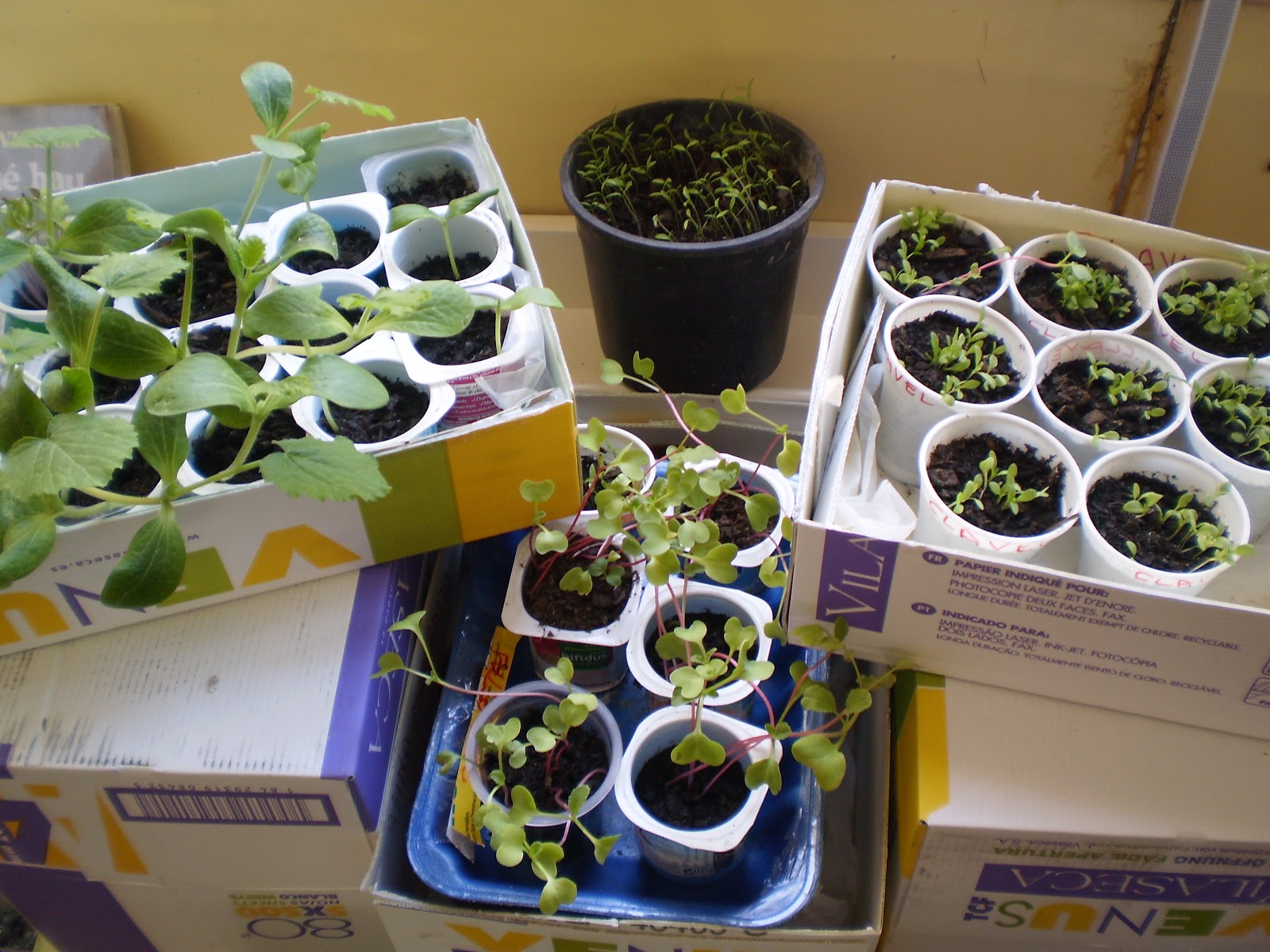
A nursery is the best way to advance the sowing of many of our crops, as it is the best way to protect the seeds from the cold, their germination and the first stages of plant development.
If we have enough light and good temperature somewhere in our home, it is the ideal place to have a hotbed. It is of vital importance that these two requirements are met so that the seedlings develop perfectly.
Below are a series of steps such as making a successful nursery at home, in order to have plants with a good development for further cultivation abroad:
The support. You can get a seedbed in any store or garden store, or we can decide to make a home seedbed. The latter can be a good option, since it can be done improvising many types of containers, such as plastic containers, yogurts, etc.
The substrate. It is important to choose a good substrate to avoid problems due to nutrient deficiencies. For this reason, a mixture well equipped with sand and compost is recommended. The ideal is to buy already prepared mixture in a store or garden center, since it will come provided with the necessary, but if we decide to make it a good example it is a mixture of sand with peat or compost in a 1/3 proportion. This type of substrate provides good conditions for the seed to germinate and develop the roots with total reliability.
Cover with substrate and sow. It is time to cover the alveoli of the seedbed with the substrate, and once covered 1 or 2 seeds are placed, depending on the crop species, in each alveolus and respecting the depth of planting. See the different crops and their characteristics.
Perform the first post-sowing irrigation. After sowing, the first watering is done which will make the seeds settle well in the substrate. The substrate will remain moist but not waterlogged, and it will always have to be kept in that state.
A protected location. It will be necessary to look for a good location to the seedbed, where there is enough light and an adequate temperature (between 15 and 20 degrees Celsius). Avoid direct sunlight. You also have to follow up and wait. It is only left to continue watering the seedbed, simply avoid drying, and that the substrate is always moistened. And wait for the seeds to germinate and let the seedlings grow. If after a while, it is observed that some seeds do not grow, that is, it has not germinated, so we can replant it if we wish.
Transplant in the place of cultivation. Once the seedlings reach a considerable size, usually when they have between 4-6 leaves (it will depend on each species), then they will have to be transplanted in the land or place where they are going to be grown definitively. Dig a hole, introduce the seedling with its root ball, squeeze the surrounding soil and water.
Let's get down to work to make our seedbed .... to harvest
¡@nachosanchez! Muy bueno el contenido, sigue asi!
Esta publicación es apoyada por la comunidad UNEEVERSO, para que al obtener votos automatizados pueda conseguir PROMOCIÓN GRATUITA y pueda darse a conocer a un público más grande. Este contenido lo merece, considera darle reesteem.
¿Te interesa, obtener upvotos y dar a conocer tu publicación?
Te invitamos a unirte a nuestra comunidad, cada día crece más y tu puedes crecer con nosotros.
¿Te interesa conocer sobre nuestro proyecto?: https://goo.gl/cuFExt
¿Te interesa conocer sobre nosotros y sobre actualizaciones de uneeverso.com?:
* Acceso a Uneeverso : https://www.uneeverso.com/registro
* Acceso temporal a Uneeverso : http://uneeverso-oficial.mircloud.host/registro
* Uneeverso en discordapp: https://discord.gg/Y5kM5Kj
* Siguenos: @blickyer @yunior.selbor @sweetvenon @arevaloarcadio @baudilio @jnavarrotovar