How to drown a fish?
To know how to drown a fish, you need to know how it breathes.
We all know that most fish breathe with gills, each of which has gill arch support. Generally speaking, the gill is located on both sides of the pharynx and communicates with the outside through the gill cleft. The structure of protein filament in gill is called gill patch, which can increase the contact area between gill and oxygen in the water.
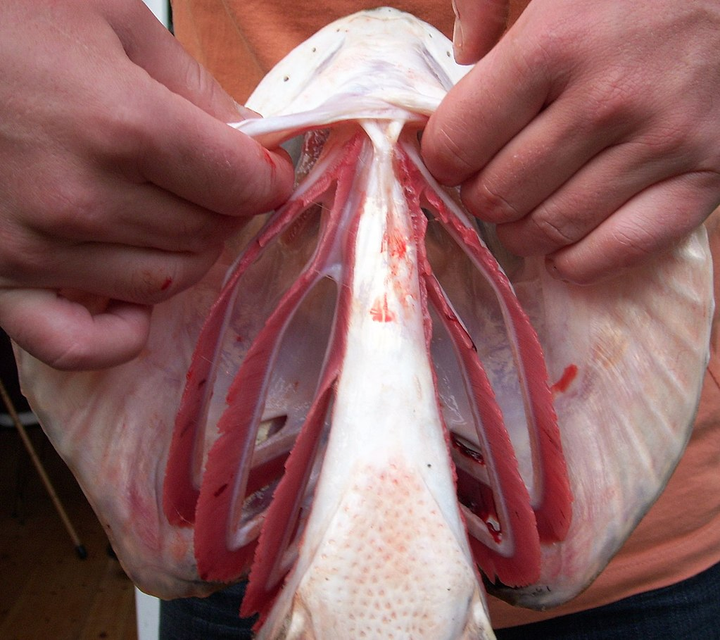
When a fish breathes, it regularly sucks water from its mouth and forces it to flow out through its gills, while gill patches absorb oxygen by contacting water. Therefore, the broad area of oxygen uptake by protein filaments is significant for fish to breathe. With gradual adaptation, most fish cannot survive without water, and the density of water can ensure that their gills do not adhere to each other and lose their breathing ability.
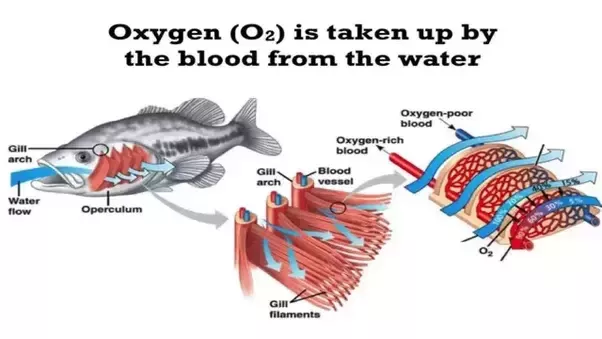
For fish, breathing is not as simple as you might imagine, because oxygen is relatively soluble in water. At 20 degrees °C, at standard atmospheric pressure, a liter of water can only dissolve about 9 mg of oxygen, which is about one-third of the oxygen content in the air. It also means that as long as the water environment changes, the amount of dissolved oxygen in the water may not be enough for the fish to breathe normally.
So fish living in water can breathe normally only if they let as much water as possible through their gills to get enough oxygen. So how can we get enough water?
Because bony fish have a gill cap, the gill cap can adjust the pharynx water pressure to ensure proper water flow through the cheek, so most bony fish practice is to swallow water with the mouth continually, do not need to swim to breathe, but no bony fish, such as sharks, can only keep swimming to allow more water into their mouth.
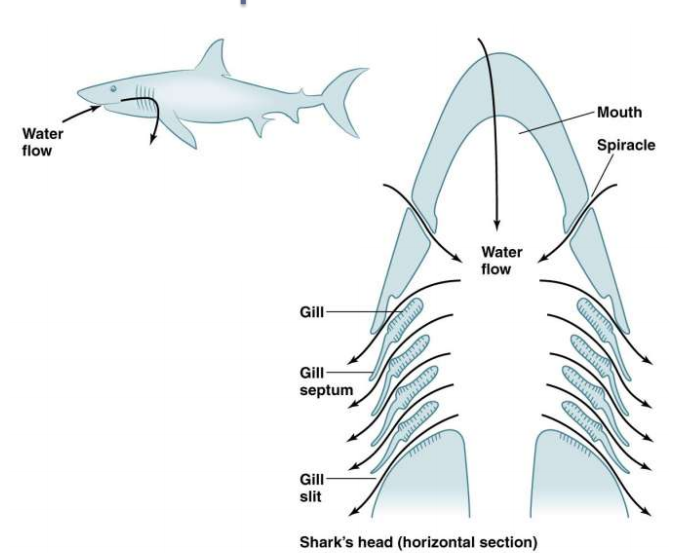
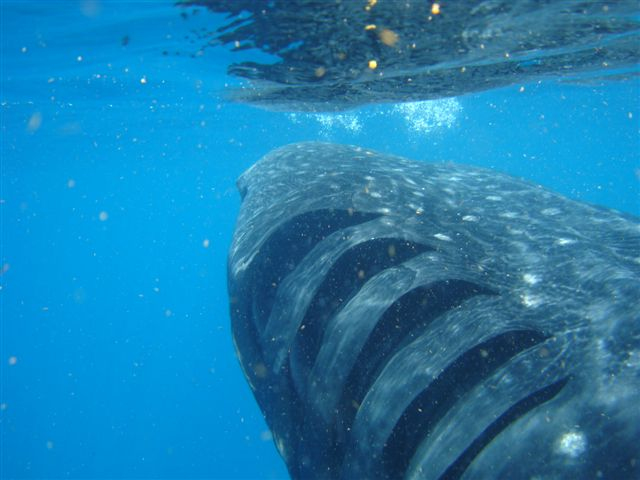
So we know that to drown a fish is mostly to keep the fish from breathing oxygen. Therefore, if the fish cannot breathe oxygen, the dissolved oxygen in the water can be reduced first, and then the respiratory system of the fish can be problematic.
The amount of dissolved oxygen in the environment at the time of fish suffocation death is called a point of asphyxiation. Different kinds of fish have different suffocation points. For example, the suffocation point of silver carp is 0.72-0.34 mg/L in summer (27-28°C), while that of bighead carp is 0.68-0.34 mg/L.
If you want to reduce dissolved oxygen in the water, the simplest way is to change the temperature of the water environment, because the change of dissolved oxygen in water has a great relationship with temperature. When the temperature rises, the liquefied oxygen capacity in water decreases rapidly. 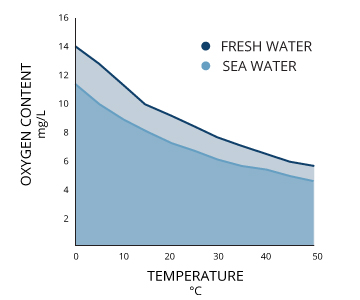
At standard atmospheric pressure, a liter of water at 0 °C dissolves 14.6 mg of oxygen, whereas at 35 °C, it dissolves only 6.9 mg. Oxygen consumption also increases for a metabolically active fish, which may suffocate if the water temperature is slightly higher.
Sometimes in the muggy summer, you can see that some suffocating fish swim to the surface of the water, stick their heads out and open their mouths, to breathe more air.
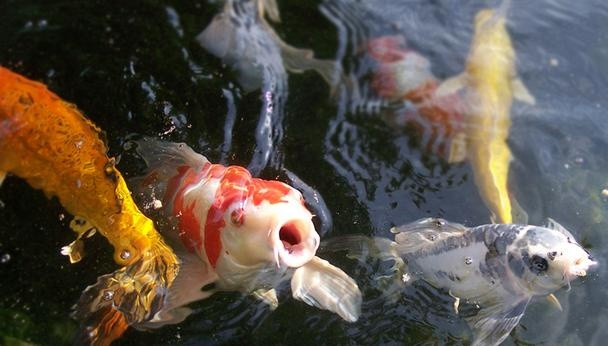
So the first way to drown a fish is to raise the temperature of the water. If you have goldfish in your house, you can throw them into cold boiled water and drown in a short time. That's why we can't use boiled water to raise fish. The boiled water precipitates a lot of dissolved oxygen at high temperature, and it is difficult to recover to standard oxygen content at normal temperature with the change of time, which makes it unsuitable for fish culture.
If you don't want to change the temperature of the water, you can also change the salinity of the water, add salt to the water, because the salinity of the water also affects the dissolved oxygen content of the water. The increase of salinity in water accompanied by the decrease of dissolved oxygen saturation, which is one of the reasons why freshwater fish cannot run into the sea at will, because it may asphyxiate.
In theory, the dissolved oxygen content in water can be reduced by changing the air pressure. The lower the air pressure, the lower the dissolved oxygen content in water. But it is too difficult to operate in real life, so it is not recommended to drown a fish by lowering the pressure. In the natural environment, the air pressure on cloudy days will be relatively low, so the fish will also probe out to breath.
How to drown a great white shark?
As mentioned earlier, cartilage fish can only get enough oxygen by swimming regularly, so if you want to drown a shark (such as a great white shark), besides changing the dissolved oxygen, there is another way to prevent the shark from swimming. This often happens in the sea, because fishing nets sometimes trap sharks in the sea, and immobile sharks can only drown because they can't get enough water into their mouths.
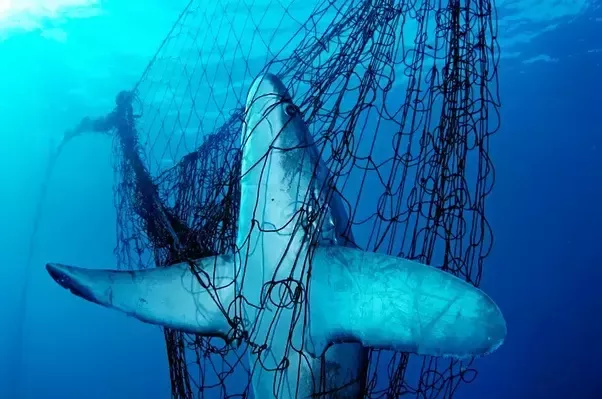
Because there is a demand for shark fins on the market, but because shark meat is unpalatable, it is often the shark fins are cut, and then thrown back into the sea. Because of the loss of fins, sharks that cannot swim will eventually drown.
So it doesn't seem difficult to drown a fish.
Hello @monza01! This is a friendly reminder that you can download Partiko today and start earning Steem easier than ever before!
Partiko is a fast and beautiful mobile app for Steem. You can login using your Steem account, browse, post, comment and upvote easily on your phone!
You can even earn up to 3,000 Partiko Points per day, and easily convert them into Steem token!
Download Partiko now using the link below to receive 1000 Points as bonus right away!
https://partiko.app/referral/partiko