Workplace Surveillance and AI Systems
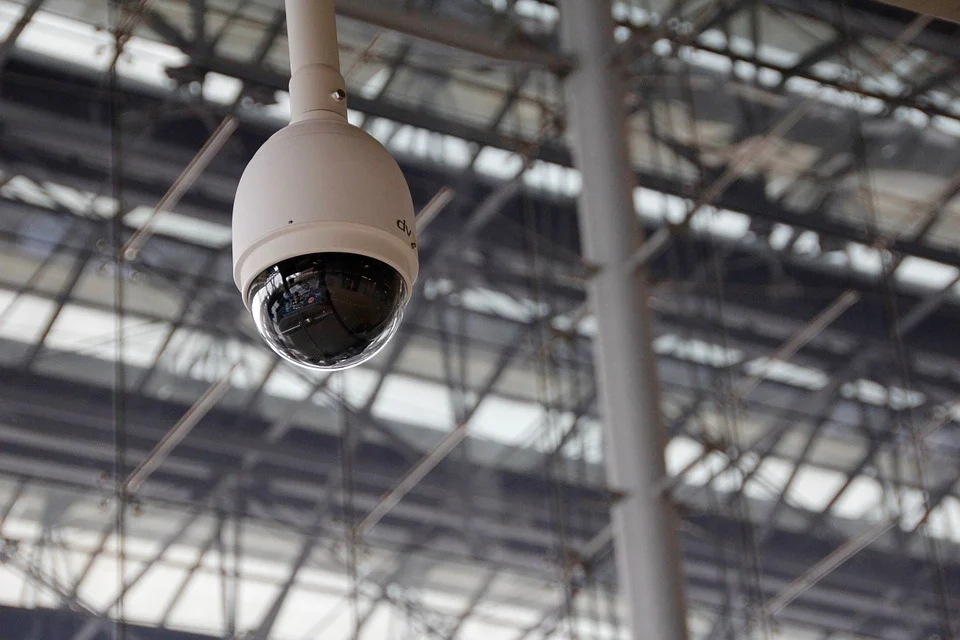
The workplace is essential for any business. Creating a productive and safe environment for staff to communicate and function in is priority for any company. Having mentioned tech adoption to the workplace with respect to infrastructure previously, the implementation of new technology systems are rapidly becoming an area of interest. AI Surveillance is something that carries many privacy concerns. The pandemic that has engulfed the world over the last few months has pushed businesses to seek ways to manage their businesses with policing. Video surveillance in the workplace is widely integrated but traditionally used for security and incident reporting. The introduction of AI surveillance in the workplace is set to change workplace management if introduced but companies have much to consider with respect to privacy and state of the working environment.
The power of AI is swiftly evolving and communicated to interested business parties. AI systems can produce automated reports and detect target images. Businesses wishing to show they adhere to social distancing would use this technology to constantly monitor distance between staff in the workplace. There are of course uses beyond social distancing policies such as hazard and risk analysis on live working sites, inventory tracking and general incident detection and recording. AI systems can replace the role of many currently human resourced roles and this is a key driving factor where businesses wish to raise their utility and lower costs. Leveraging technology and adhering to transparent codes will also detect situation for review without prejudice in the workplace. An ideal system would not profile or discriminate users, continuously doing its assigned tasks round the clock. However, it doesn’t mean there aren’t instances where technology can get it wrong. AI takes time to train and assessment of output data will still rely on humans that are trained.
The other side of adopting workplace surveillance is immediate effect on morale of workforce. The psychological pressure of constantly being monitored by a big brother system that is programmed to detect certain discrepancies can cause detrimental impact to productivity and mental health. There are businesses that rely on their people and it’s important to think of these negative impacts before imposing changes and riding on boundaries of privacy. Perhaps the nature of video and data collection is a major factor that causes unease of people. Everything that one says and does will be analysed could be analysed with great detail. AI is cost efficient but gauging acceptance in the workplace is equally important. Enforcing social distancing can be done in other ways too. An idea that came to mind is proximity sensing that would alert staff when they are at risk. Without active surveillance, a similar effort to maintaining social distance can be achieved. I believe that AI systems will eventually come to offer great benefit to the workplace, but the integration process takes time and thought that is relative to current work force perception too.
