medicine
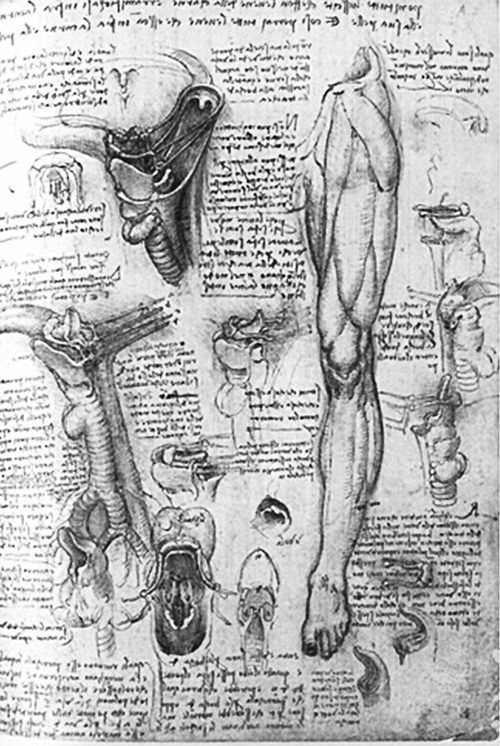
Historically, relatively independent clinical disciplines have the names of the organs they study (cardiology - the heart, pulmonology - lungs, etc.). At the dawn of medical development, when it was still primitive and purely observant, its research capabilities were very small. Everything that the doctor had then, it was his own senses - sight, hearing, touch, smell and taste. Naturally, they saw and felt, then described. Therefore, clinical disciplines received the name of organs that were visible, they could be felt, listened to, and their secretions sniffed and even tasted. On the basis of this, one could describe their normal state and pathological changes. This is the so-called morphological (organo-morphological, anatomical, structural) analysis of the human body, based on a description of purely external features. Such an analysis gave its results and now we have an extremely developed nomenclature classification of diseases, built on the principles of morphological analysis and adopted in most developed countries of the world.
Further descriptive morphological analysis of the human body was strengthened by instrumental methods of investigation. Microscope, X-ray, computed tomography and ultrasound have increased the possibilities of visual and palpatory perception of internal organs. Various biochemical analyzers have replaced and raised the taste and olfactory analysis of body parameters to a very high level. Therefore, a more profound, but again empirical descriptive histo-biochemical analysis revealing the type of tissue damage of the relevant organ (inflammation, infiltrate, tumor, and other morphological disorders), based on the description of external signs of organ damage, appeared. Again, what we see, then we write. Therefore, the name of the affected organ sounds in the name of the diagnosis, and the type of lesion is gastritis, spondylosis, myoma, etc. But this is not deterministic and not predictive, but a diagnosing diagnosis. He states the damage that has already occurred, while we need to prevent it and prevent it. The statement of the presence of a pathological process is posited already after this fact took place, because we still continue the same morphological analysis, the foundations of which were laid down in antiquity.
Probably, this analysis, which is the basis of modern medicine, has already exhausted itself and new concepts of analysis are needed. Moreover, we need a new nomenclature classification of diseases, based not on organo-morphological, but on system analysis. We need to analyze not an organ, but a systemic pathology. The organism is a whole and very finely balanced system, the imbalance of which is already pathology! To notice the pathology in the early stages, when there is no destruction yet, and the pathology is manifested only at the functional and not morphological level, we must use the system analysis, which is something we do not yet know how to do.
This post has received a 0.63 % upvote from @drotto thanks to: @le0nid.
Your Post Has Been Featured on @Resteemable!
Feature any Steemit post using resteemit.com!
How It Works:
1. Take Any Steemit URL
2. Erase
https://3. Type
reGet Featured Instantly & Featured Posts are voted every 2.4hrs
Join the Curation Team Here | Vote Resteemable for Witness
Bite Strength: 10.50% | Strike Speed: 64 Strikes/MS | Venom circulation period: 7 days
After 7 days.. The Golden Cobra's venom converts to SBD/SP! ;)
}} Hit placed by: @le0nid {{
Send 0.001-0.008 SBD/STEEM + url->memo to @thegoldencobra for an upvote! :)
Service released: 3/2/18 - Give us a chance! :)
Check out the benefits of delegating/using the bot! :)
A simple upvote on this comment, will also help the bot grow! Consider it! :)