Gislenus de Busbek imported tulips in the 16th century. as a gift from Sultan Süleyman. Thus, first tulip bulbs came to Europe.
The Seljuks created the first insurance for the losses of merchants in the 13th century.
Mount Ararat (Agri Dagi) in eastern Turkey is the place where it is widely believed that Noah's Ark landed here after the great flood.
The Turks are the world's number 2 in tea consumption with 2.1 kg per capita per year.
Kapikule is the second largest border crossing in the world. It is located between Bulgaria and Turkey and has 23 passenger counters for civil transport and 11 for freight transport.
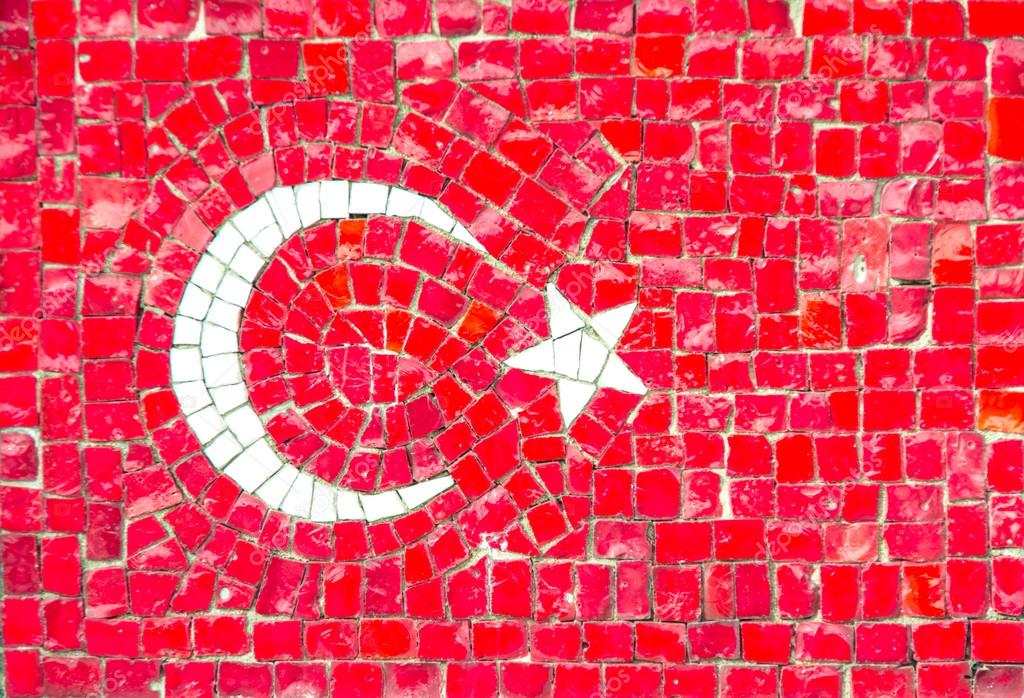
The biggest Turkish flag is in Mersin. It is 4532 square meters and was built by the state administration Toroslar.
Leto and her children found Artemis -Apollon in present-day Letoon in Lycia. After quarreling with the peasants, the goddess transformed them into frogs. Since then they are crying out in Latin: '' Quam quam sunt, sub acqua, sub acqua, maledicere temptant = even though they are under water, they try to revile.
Two of the Seven Wonders of the World, namely the Temple of Artemis in Ephesus and the Mausoleum of Halicarnassus in Anatolia (the other five: Pyramids of Egypt, the hanging garden of Babylon, the Zeus dam in Olympia, Kolos of Rhodes, Lighthouse of Alexandre.
The s.g. Gordian knot comes from the legend as Alex. the Great visited the city of Gordion near present-day Ankara, untying the knot with his sword. This knot system is still called today as an expression for the double knot of Turkish carpets. Alexander migrated further to Issos against Persians. In 333 Issus found a fury!
The name of today's city of Ankara comes from Angora (= angora goats = mohair in America). Angora was a city of the Phrygians.
Izmir was called Symrna. It is a biblical name as well as e.g. Philadelphia (from broadcast), Antioch (= today's Antakya)
Caesar was attacked by Cilician pirates (today's southern Turkey) on their way to Rhodes in 75 BC Captured
resim harika :)