Changing People's Behaviors - Is it Possible?
In his new book, titled "The Long Tail Paradox: How Changing the Right Mindset Can Change the World," University of San Francisco professor Sam McColl points out that what most change efforts end up with is not so much a transformation of a company's bottom line or its culture, but rather, a restructuring of the way it thinks about itself and the people who work in its organizations. It may sound like a dismissal of all of those incremental changes, but change experts argue that it isn't. Rather, the successful strategies are those that build on earlier changes and model them as well. Changing people, in other words, starts with understanding their individual minds and recognizing that each one is unique.
The way people think about themselves has a lot to do with how they behave in relation to others. Think of a child, a teenager, an adult, and a small business owner. The teen wants approval, and he or she knows that most adults expect it from them. The adult, in turn, wants approval, which he or she gets from the people he or she depends on. The small business owner realizes that changing people is more complicated than simply saying, "Stop being a jerk!" However, often, this is the first reaction that employees have when learning about organizational change initiatives.
So many times, it seems, employees are talking through their heads about how they should act, what they shouldn't do, how everyone should talk to them, etc. Rather than addressing these problems by changing people's behavior, many people in organizations just try to solve the symptom instead. It is difficult to change people's behaviors when they are stuck in their heads instead of doing whatever it is they were trained to do.
Fortunately, cognitive behavioral therapists such as Dr. John ferrieri of San Francisco State University have developed interventions for employees that specifically address these issues. One of the keys to fixing this problem is for people to realize that change is inevitable and that in order to get used to it they must adapt. Changing people's behavior is an ongoing process and the earlier they become comfortable with change, the easier it is. However, it can be frustrating for employees who resist change. If you have an employee who resists change or does not seem to get why a particular policy is implemented, do not scold him; rather give him a detailed explanation of why the policy was implemented.
For example, one of the challenges of changing people's thoughts is that they tend to remember only the good parts and leave out the bad. In a scenario like this, if a new policy about harassment was implemented, a few people might remember that it encourages safe sex in the workplace. They might also remember that the new policy doesn't allow racial or sexual harassment. However, none of these things pertains to how a person feels about how they feel or how they should feel about themselves.
For people to change their behaviors, it is important that they can differentiate between what they want and what they do not want. In essence, they must be able to state what is in their best interest, which is something we all want. However, changing people's emotions and beliefs requires them to think critically about those things that they believe and that they do not believe. Otherwise, they will be emotionally unaffected by the implementation of a particular policy. This is because they would have already formed their beliefs and feelings before seeing the change. As such, they will act in the same manner even without the presence of the law.
To illustrate the effectiveness of this new thinking process in changing people's behavior, consider how a change in the attitude of a group of soldiers in World War II changed the way they would behave in the future. Before the invasion of Japan, their main objective was to destroy the American forces in the area. After the Pearl Harbor attack, however, they were suddenly convinced that since they did not accomplish their mission, they should not risk getting stuck in a quagmire in Asia.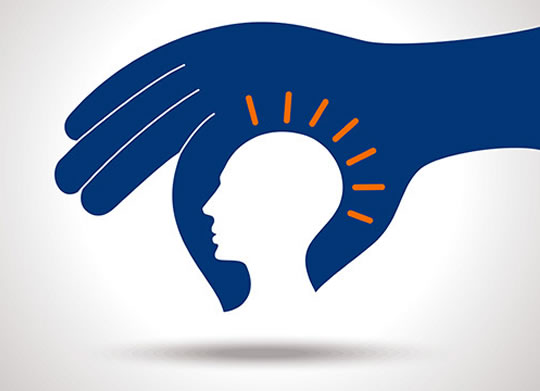
In short, the change was because of the change in their mental attitude. Of course, they changed their behavior as well, but they realized that it was not worth getting stuck in another impossible situation. Now, would you have believed that this would have happened if it were not for the change in their thoughts? The only real difference between changing someone's behavior and changing their mind is whether or not the individual wants to change. If they truly believe that the circumstances are impossibly bad, then there is no way they will be persuaded otherwise. Changing people's minds requires that you instill doubt into their belief system.
Congratulations! Your post has been selected as a daily Steemit truffle! It is listed on rank 9 of all contributions awarded today. You can find the TOP DAILY TRUFFLE PICKS HERE.
I upvoted your contribution because to my mind your post is at least 6 SBD worth and should receive 52 votes. It's now up to the lovely Steemit community to make this come true.
I am
TrufflePig, an Artificial Intelligence Bot that helps minnows and content curators using Machine Learning. If you are curious how I select content, you can find an explanation here!Have a nice day and sincerely yours,

TrufflePig