Datura - Species
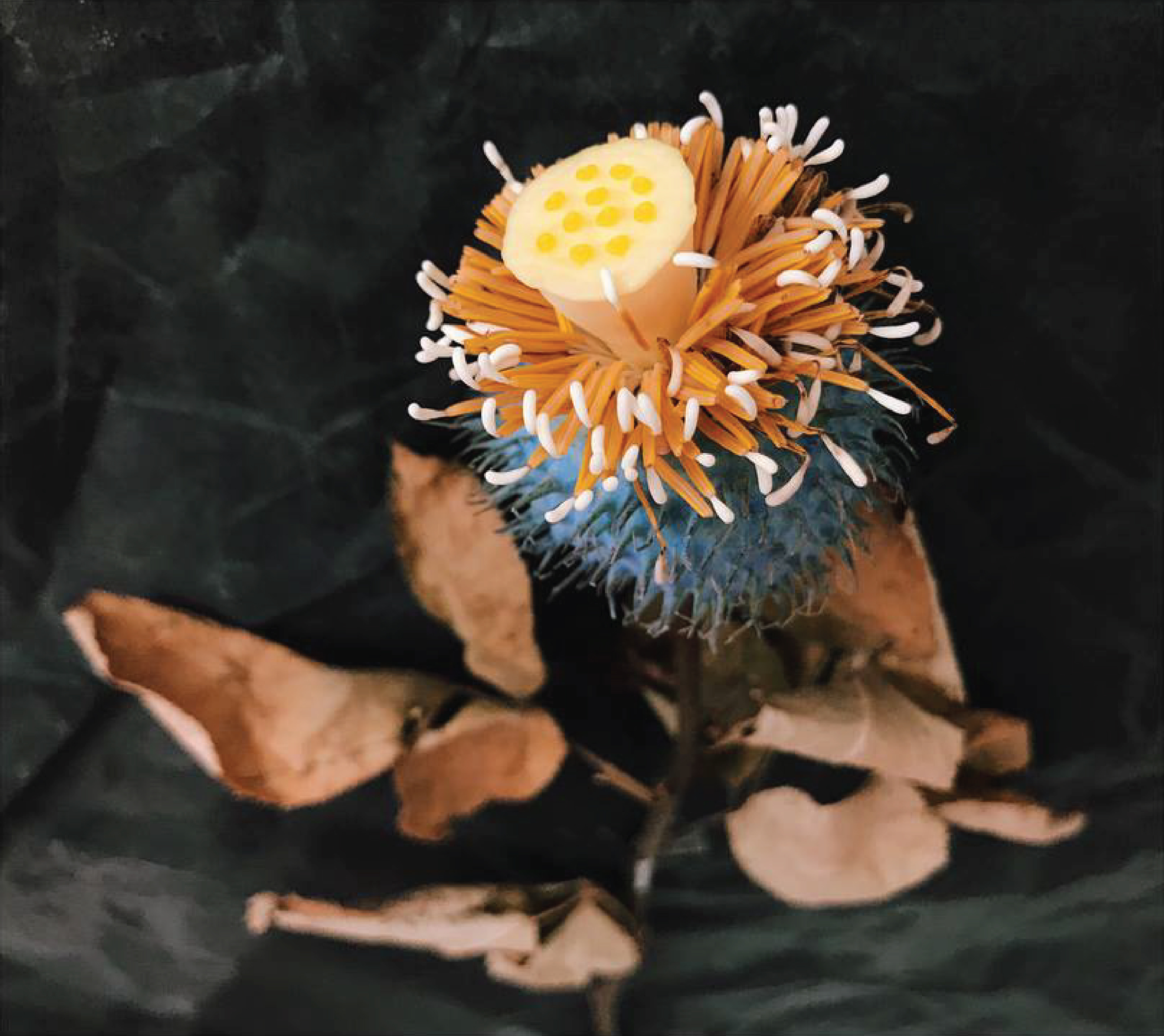
It is difficult to classify Datura as to its species, and it often happens that the descriptions of new species are accepted prematurely. Later, these "new species" are found to be simply varieties that have evolved due to conditions at a specific location. They usually disappear in a few years. Contributing to the confusion is the fact that various species, such as D. wrightii and D. inoxia, are very similar in appearance, and the variation within a species can be extreme. For example, Datura species can change size of plant, leaf, and flowers, all depending on location. The same species, when growing in a half-shady, damp location can develop into a flowering bush half as tall as an adult human of average height, but when growing in a very dry location, will only grow into a thin plant not much more than ankle-high, with tiny flowers and a few miniature leaves.[6]
Today, experts classify only nine species of Datura:[6]
D. ceratocaula Jacq. – torna loco
D. discolor Bernh. – desert thorn-apple
D. ferox L. – long-spined thorn-apple
D. innoxia Mill. – thorn-apple, downy thorn-apple, Indian-apple, moonflower, sacred datura, toloatzin, toloache
D. leichhardtii F.Muell. ex Benth. (syn. D. pruinosa) – Leichhardt's datura
D. metel L. – devil's trumpet[6]
D. quercifolia Kunth – oak-leaf thorn-apple
D. stramonium L. (syn. D. inermis) – jimsonweed, thorn-apple
D. wrightii Regel – sacred datura, sacred thorn-apple
Source : #Wikipedia #Google