This is a curated articles about the latest discoveries in science and interesting articles tackling technology and society.
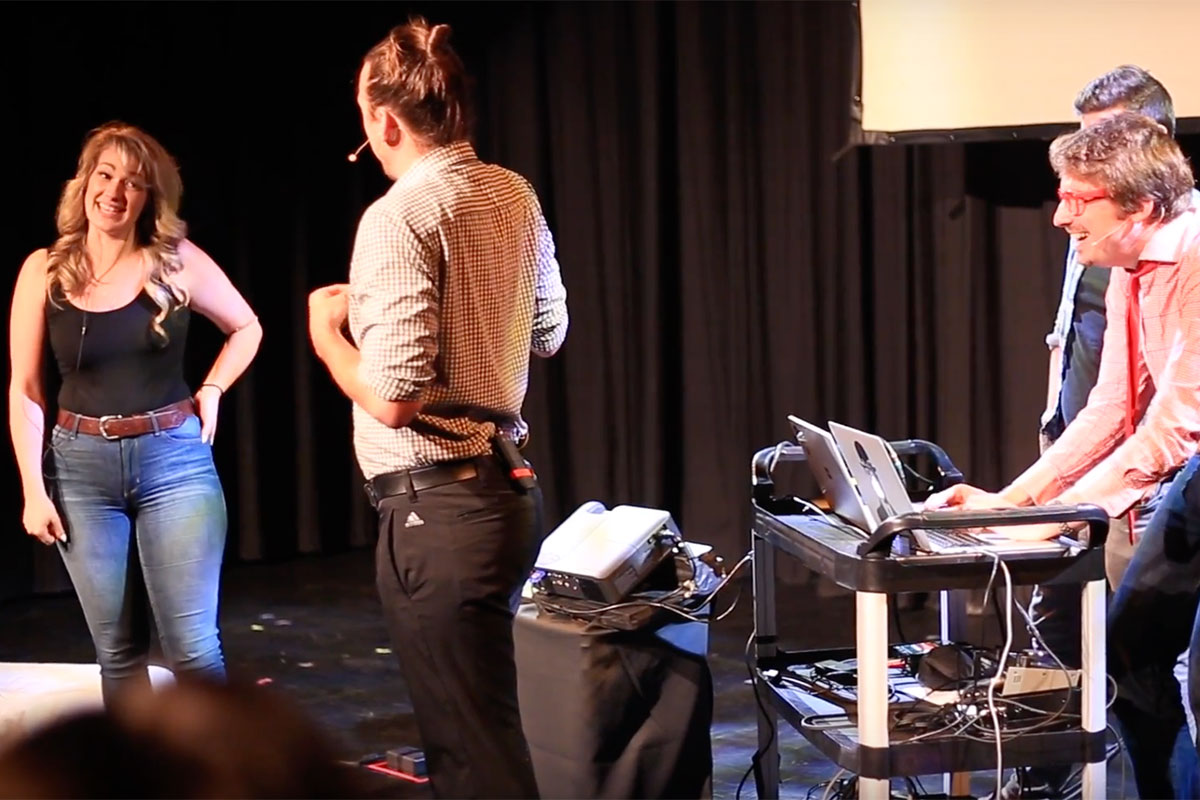
AI tries bad improv comedy to trick people into thinking it is human: Frank Swain
Artificial intelligence has joined forces with a group of actors to create spontaneous comedy sketches on stage. The result is a new variant of the Turing test
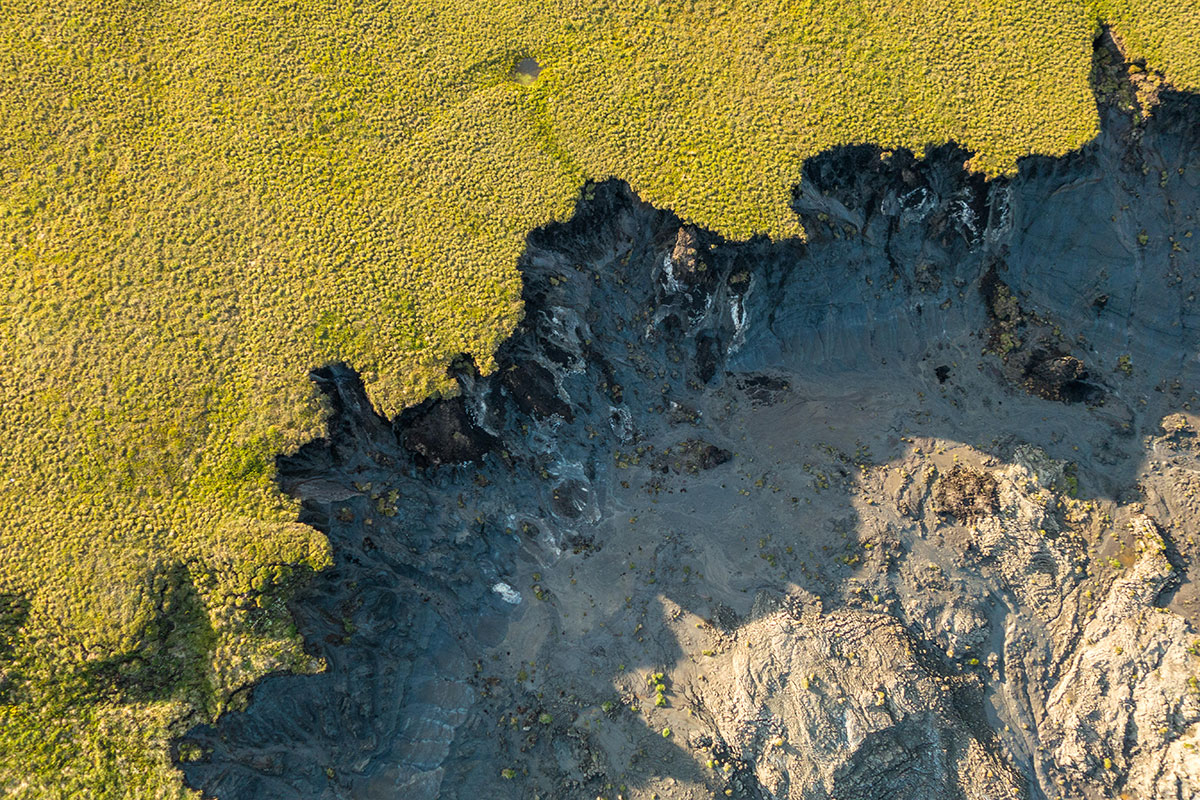
Acid is dribbling out of the melting permafrost in the Arctic: Michael Marshall
As climate change thaws the Arctic permafrost, some of it is releasing sulphuric acid – which destroys limestone and releases even more climate-warming carbon dioxide
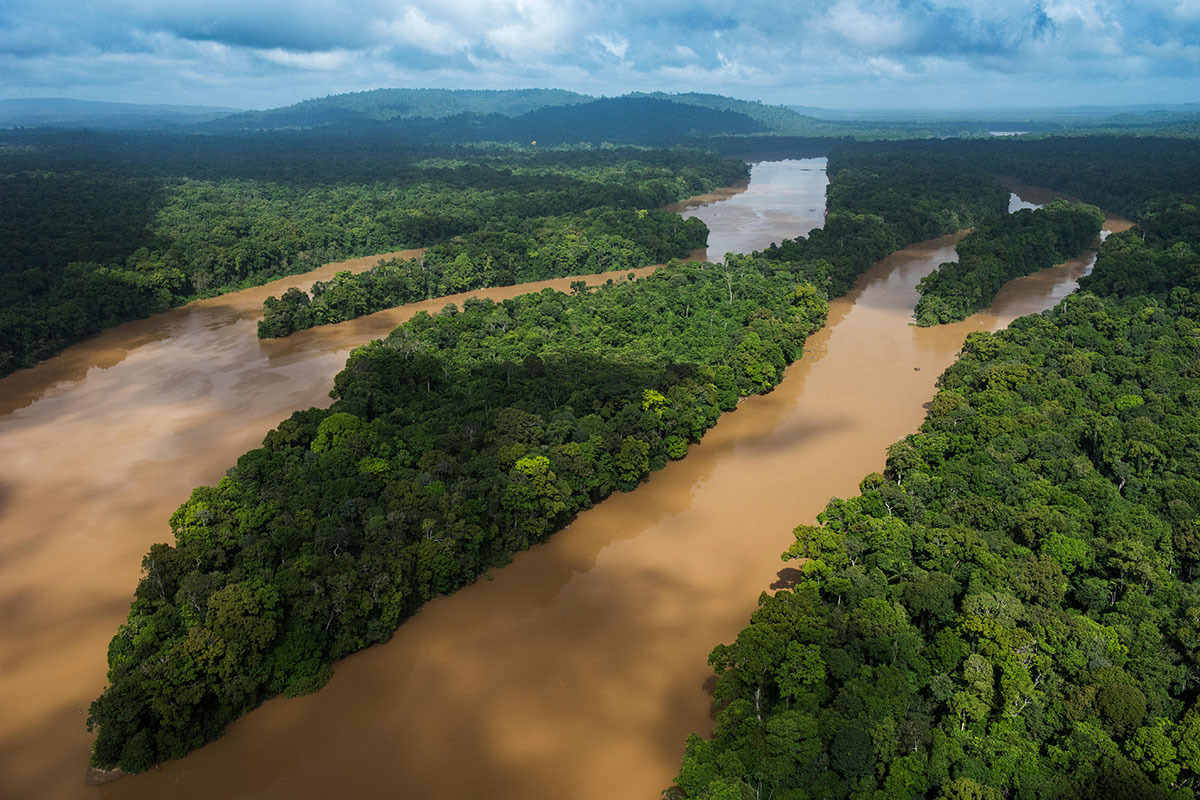
Half the planet should be set aside for wildlife – to save ourselves: Michael Le Page
If we want to avoid extinctions and preserve the ecosystems all life depends on, half of the Earth’s land and oceans should be protected by 2050, say biologists

Watch this robotic fruit fly swoop, dive and perform impressive flips: Yvaine Ye
DelFly is a robot that flies through a room with as much agility as a real fly using its flappy wings. It is also helping researchers understand how insects move

New Apple Watch heart monitor sounds great – here’s why it may not be: Clare Wilson
At its latest product launch, Apple announced its smartwatches would get an upgrade letting people take an ECG of their own heart, but this could do more harm than good
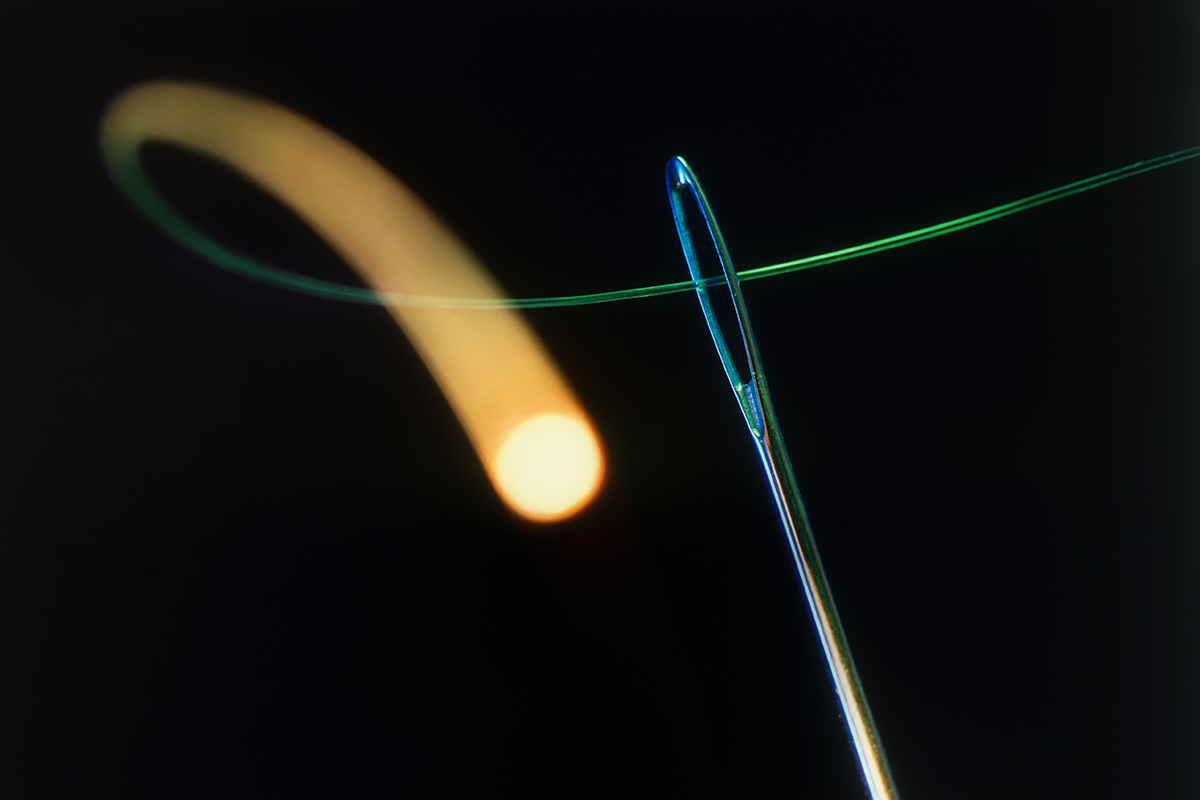
Bandages laser-bonded to your skin may fix wounds better than stitches: Leah Crane
Most flesh wounds are repaired with sutures, but they cause extra damage to the skin. A bandage made of silk and gold, sealed with laser light, could solve that

BPA-free plastics seem to disrupt sperm and egg development in mice: Andy Coghlan
We are starting to replace harmful BPA in plastic bottles and food containers, but alternative chemicals might be just as bad

Just one tiny piece of plastic may be enough to kill a baby turtle: Andy Coghlan
Post-mortems show that some sea turtles die from eating just one fragment of plastic – and it’s post-hatchlings that seem to be particularly vulnerable
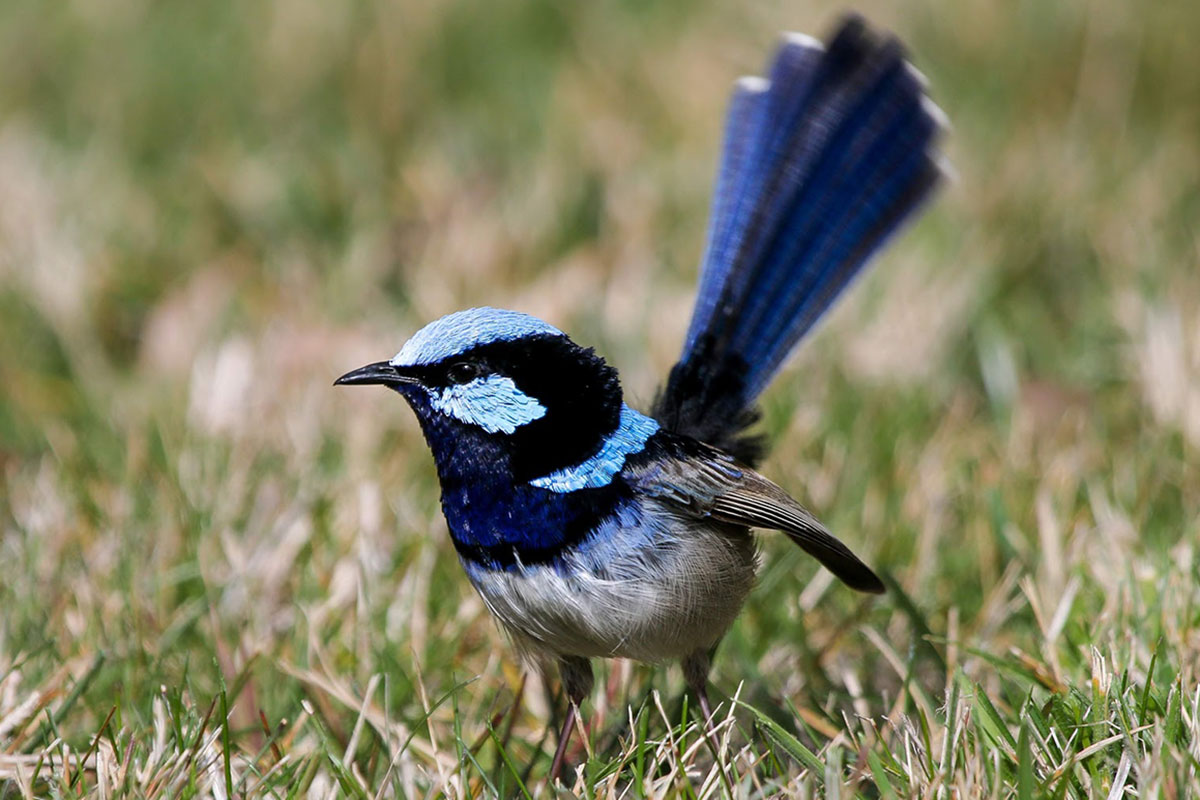
Birds can learn to understand the meanings of other species’ calls: Yvaine Ye
The superb fairy-wren takes advantage of the vigilance of others by teaching itself to recognise the alarm calls sent out by different species
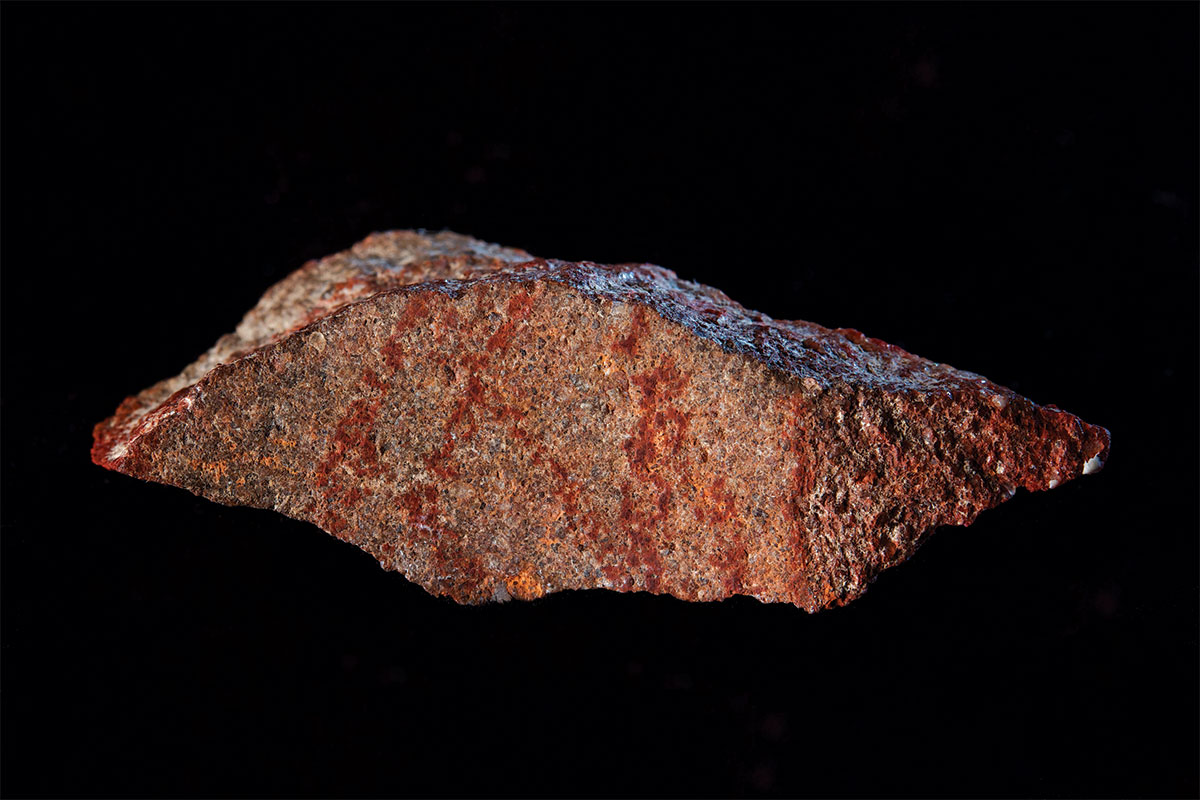
World’s first drawing is a red crayon doodle made 73,000 years ago: Clare Wilson
Early humans made red ochre crayon to draw lines on small rock 73,000 years ago. It was probably part of a larger artwork