How to express your negative emotions intelligently
They are normal and may unblock situations if managed appropriately.
Negative feelings are hard to express. We can easily get carried away or repress them. You must be able to express these emotions while dealing with those who seek to dominate you.
We may not feel furious in certain situations because we don't like disputes, don't want to produce a scene, or for other reasons. When the situation is really unfair, we have the right to "overflow" and express that we can't handle it. We express our negative emotions in heavy situations, not because we don't know how to channel them.
There are “sanguine” and furious people, but as long as we don't get angry for no reason, when anger isn't frequent, severe, or unreasonable, it can help us overcome crushing conditions.
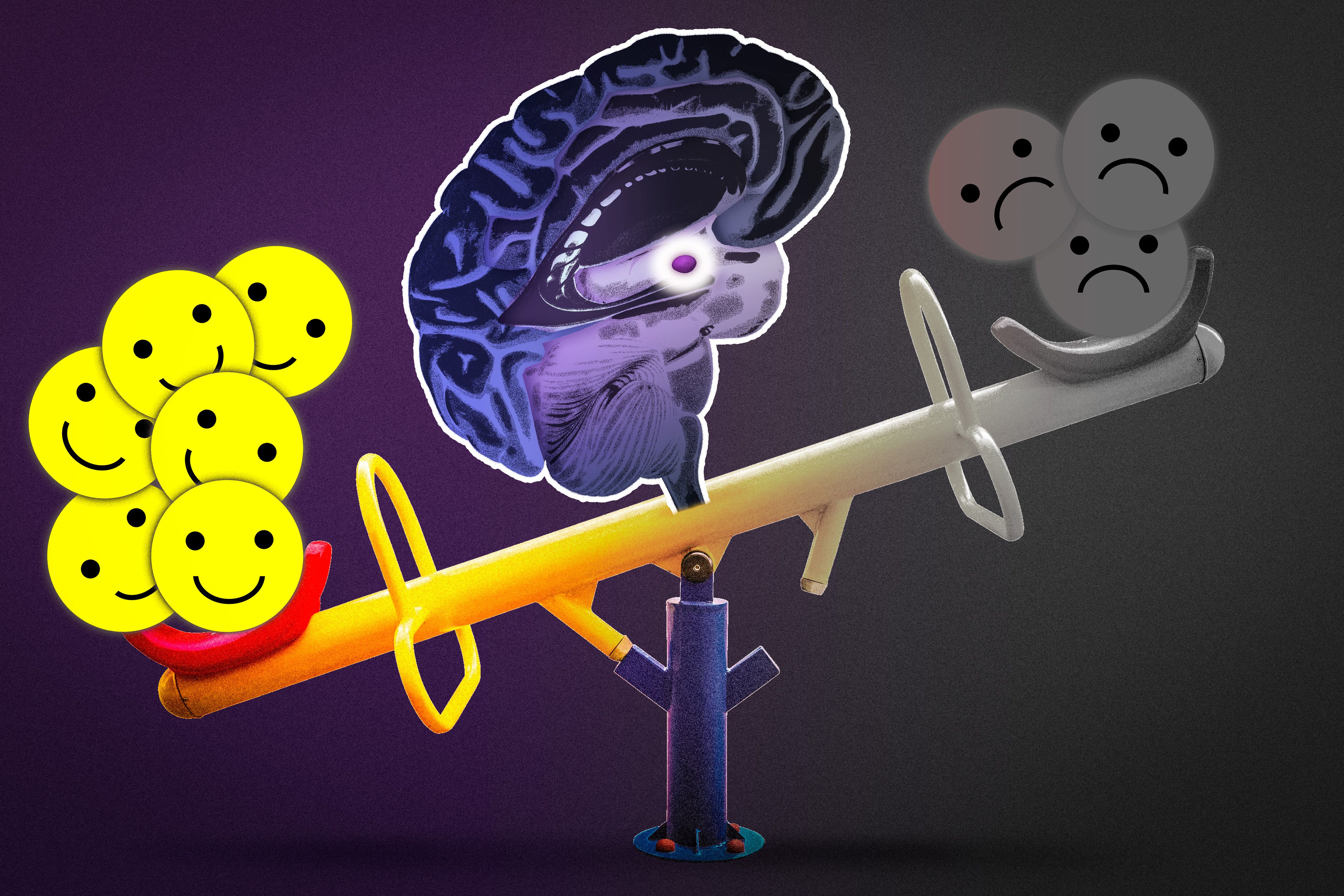
Expressing unpleasant emotions doesn't always mean losing calm. Just being upset doesn't mean making a scene. Society tells us that there are good and bad emotions, some of which we can express publicly and others we must control.
Instead of happy or negative emotions, there are a variety of healthy, important emotions. Despite their association with violence, rage, and hatred, negative emotions are good. Furthermore, we have long recognised that suppressing emotions is unhealthy. Trying to “bury” bad emotions weakens positive ones, and the whole thing always explodes. Just because we express our feelings and they're related with misery doesn't mean we're “horrible” individuals.
Thus, we must learn to express unpleasant emotions intelligently. Not all valid indignation and anger must be repressed. However, expressing them restores control over an unfair circumstance. These emotions help us attain goals, be heard, and overcome disputes. We're born with emotions, so we can speak up and defend ourselves.
In our professional or family circles, anger may accumulate. When we feel drowned, alone, unhelped, or unfairly placed. Thus, anger helps us communicate our unhappiness and be understood.
Anger is normal if expressed rationally. Shouting, criticising, or guilting others won't get your point across. You can communicate anger softly yet firmly without shouting. When expressed suddenly, when you let go of everything in a moment of frustration, anger just causes shouting and stress on all sides.
However, if you sense it is building, plan to talk to the person(s) and prepare what you will say. This will help you communicate sensibly and be heard more than if you yell and bang doors.
We can unblock situations by expressing wrath and rage constructively. It needs intelligence. It's okay to lose our calm if we have so much emotional capacity. We may utilise it to find ourselves, live more quietly, and avoid unhealthy situations.