How the human heart works
The human heart is a hollow organ surrounded by strong active muscles from the outside, and envelops the membrane muscle known as the peritoneum. The heart is located in the middle of the rib cage above the diaphragm and the left side is slightly tilted, the heart is the size of the fist and is able to pump blood to a distance of ten meters. The function of the heart is that it acts as a suction pump for the non-pure blood returned to it from the body parts by the veins, and as a pump pump for pure blood flowing to distribute it to all parts of the body through the arteries
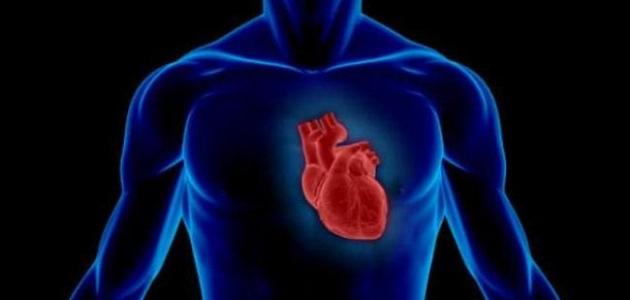
Source image
Heart synthesis
The heart consists of four chambers: two upper, two lower, and the upper chambers are known as right and left atria.
The heart is divided into two parts: the right part; it consists of the right atrium and the right ventricle, and the left part consists of the left atrium and the left ventricle.
The valves between the upper and lower chambers of each side: the valve located on the pulmonary artery and aortic arteries, valve openings of the upper and lower vena cava and pulmonary vein
How the heart works
The blood veins - the upper and lower hollow veins - move the unclean blood from all parts of the body to the right atrium
The right muscles of the right atrium begin to contract; the amount of blood is moved to the left ventricle by the valve separating them, a triangular valve opening in one direction.
The muscles of the left ventricle contract and the non-oxidant blood is pumped into the lungs by the pulmonary artery
It also passes through pulmonary capillaries. In pulmonary capillaries, carbon dioxide is expelled from the blood, and oxygen is extracted from the alveoli
Oxidized oxygen-oxygenated blood begins to return to the left atrium of the lungs by right and left pulmonary veins.
Once the oxidized blood reaches the left atrium, the muscles begin to constrict; they reach the left ventricle through the valve known as the mitral joint
The muscles of the left ventricle contract to push pure oxidized blood to all organs of the body by the aorta
Heart characteristics
The heart is a human pump that works to draw blood from the body, treat it, purify it and then pump it again.
Myocardium is a permanent muscle that never ceases to contract
The heart rate is about 70 times / minute, pumped about 70 ml / time, and the amount of blood pumped from the heart is measured in the right or left part of it - that is, the heart's part doubles twice the amount each time
The heart when exerting muscle can pump up to 35 liters of blood / minute. The average amount of blood in the body for adults is five liters
nice would be to know how the heartbeat is produced! but nice article! :D
Thanks my friend for your reply
@mars9,
Nice post with very useful information. Without heart we can't survive but most of us have no idea how it works. Thanks for your article I could get a brief idea about it! Appreciate your effort!
Cheers~
Thanks my friend for your reply
Nice with very useful information thanks....upvoted and followed...... please follow back@superkrish
Thanks my friend for your reply
Your welcome
:)