SCIENTIFIC LITERACY AND SUSTAINABLE DEVELOPMENT, PROBLEMS ASSOCIATED WITH KNOWLEDGE INTEGRATION
Author: @madridbg, via Power Point 2010, using public domain images. Chuk Yong
Greetings and welcome dear readers, the topic that concerns us in this installment is of an educational nature and is focused on the problems behind the integration of the literacy process and sustainable development.
In this sense, it should not be a secret for anyone that our planet earth offers more than 7,000 billion inhabitants the possibility of meeting their needs through the provision of resources that facilitates the life, however, humanity in its desire for development has produced an overexploitation of resources, threatening planetary well-being and balance.
The benefits that nature provides us are innumerable and range from transportation, clothing, education, breathing and even vanities such as the precious jewels that are usually worn. In this way, the same society or humanity with the passing of the years, has acquired the ability to improve its environment and acquire new knowledge for the development and improvement of the quality of life of humanity.
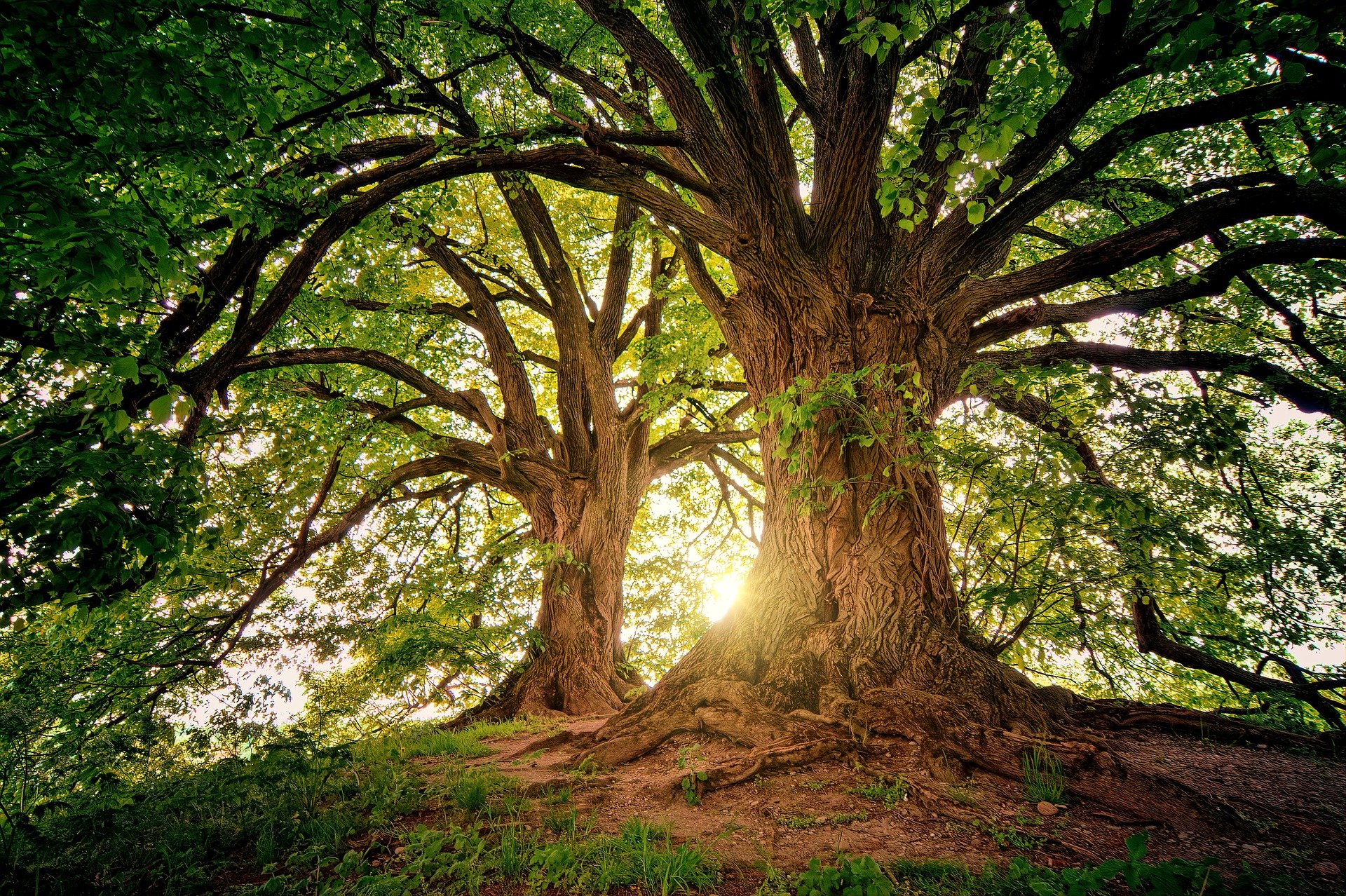
Fig. 2. Nature's bounties are minimized by human behavior. Author: jplenio
However, these advances have been responsible for the negative changes produced in the natural environment that have serious effects on the economic and social dimensions, which compromise the prospective well-being of the population. Changes promoted by the depletion and destruction of natural resources, global economic crisis and inequality, functional, cultural and moral illiteracy, among others, acting as mechanisms for breaking the harmonic balance between society, nature and the economy.
Based on the above problems, sustainability is presented as an alternative to act individually and collectively in favor of recognizing the interdependence between human needs and environmental demands. Consequently, participation based on a critical vision of the world is required, with special attention to imbalances and arbitrariness, sowing the seeds of awareness and sensitivity, investigating new visions and concepts, and innovating with patterns of efficient behavior. .
In such a way we need to promote from the classrooms, a holistic education with principles of integration aimed at training citizens with the necessary tools to act consistently in the preservation of the planet, however and in the opinion of Caamaño, the reality in educational institutions and classrooms is opposite, in them prevail an instruction far from the reality of the students and the problems that they present in their communities, where teaching is still traditional, who is in charge of transmitting the contents at all times is the teacher and the students continue to be a passive entity dedicated to apprehending the transmitted knowledge, without the possibility of applying it.

Fig. 3. To achieve real change we must learn how to contextualize teaching. Author: silviarita
In this way, despite the curricular advances in terms of Sustainable Development, the contents associated with it are exposed superficially, including exclusively global environmental problems, leaving aside the economic and social situations that afflict a community at the regional and local levels. , dividing knowledge and imparting few tools that make it impossible for students to act individually and collectively, within their community, in obtaining an economic, environmental and social balance.
Therefore, a restructuring of teaching is necessary, which adapts to the new demands of humanity and the technological advances that we have achieved.
BIBLIOGRAPHY CONSULTED

[1] Caamaño, Aureli (2011). Contextualization, inquiry and modeling Three approaches to learning scientific competence in chemistry classes. Aula de Innovación Educativa. no. 207. pp. 17-21. Article: Online Access

• The design of the portal was made by @madridbg, using public domain images


Uploaded image of the Proyecto.hope community
OF INTEREST
•
Grateful with the community @project.hope and with all the management team of the same one that they motivate us to continue working in a mutual and balanced growth.
Hello @madridgb!
Very good information my friend. Certainly a review should be made at the educational level so that from the classroom alternatives are generated from different areas that contribute to the care and preservation of the environment, you can not follow the same models under the same conditions of years ago when technology has produced so many changes.
Greetings friend @madridbg, a very interesting topic, it is really necessary that the current education generates a level of awareness for the prevention of environmental pollution, and achieve that the environment in which we currently live is improved, it is known that it is a somewhat difficult topic to achieve but it is possible with effort and dedication.