Medieval Surgery
It´s common to associate the medioevo with obscurantism, however, we can see very advanced grafting techniques and tissue extension through skin transplants and association of tissues by surgery. We also see autoplasty techniques, or rather, an extreme cutaneous autotransplant, in which, before the loss of tissue, the injured parts were united with healthy tissue to promote the growth of the skin in the damaged areas. De Curtorum Chirurgia per Insitionem by Gasparo Tagliacozzi (Venice 1597) is one of the most surprising and amazing medieval surgery and therapeutic treatises.

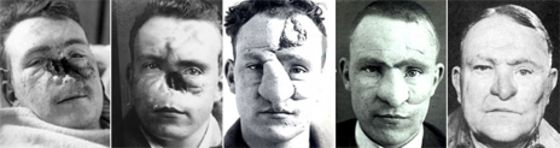
Tagliacozzi describes a method to achieve that the lost tissue of the nose, either because of the battle or the bite of a dog is supplanted thanks to a very unique autotransplant. The method consisted in using a system of harnesses that would ensure part of the arm to remain immobile for months stuck to the nose. Thus the slow and tedious regeneration of the tissues would cause a soft layer of "skin" to grow around the lost tissue. This took time and could not be interrupted, so the patient should remain in an extremely uncomfortable position for weeks and even months.

The result of the procedure certainly did not result in a perfectly reformed nose, but it certainly managed to close the nasal cavity of the accident with a skin patch. This procedure was used until after the First World War.