Lactic Acid
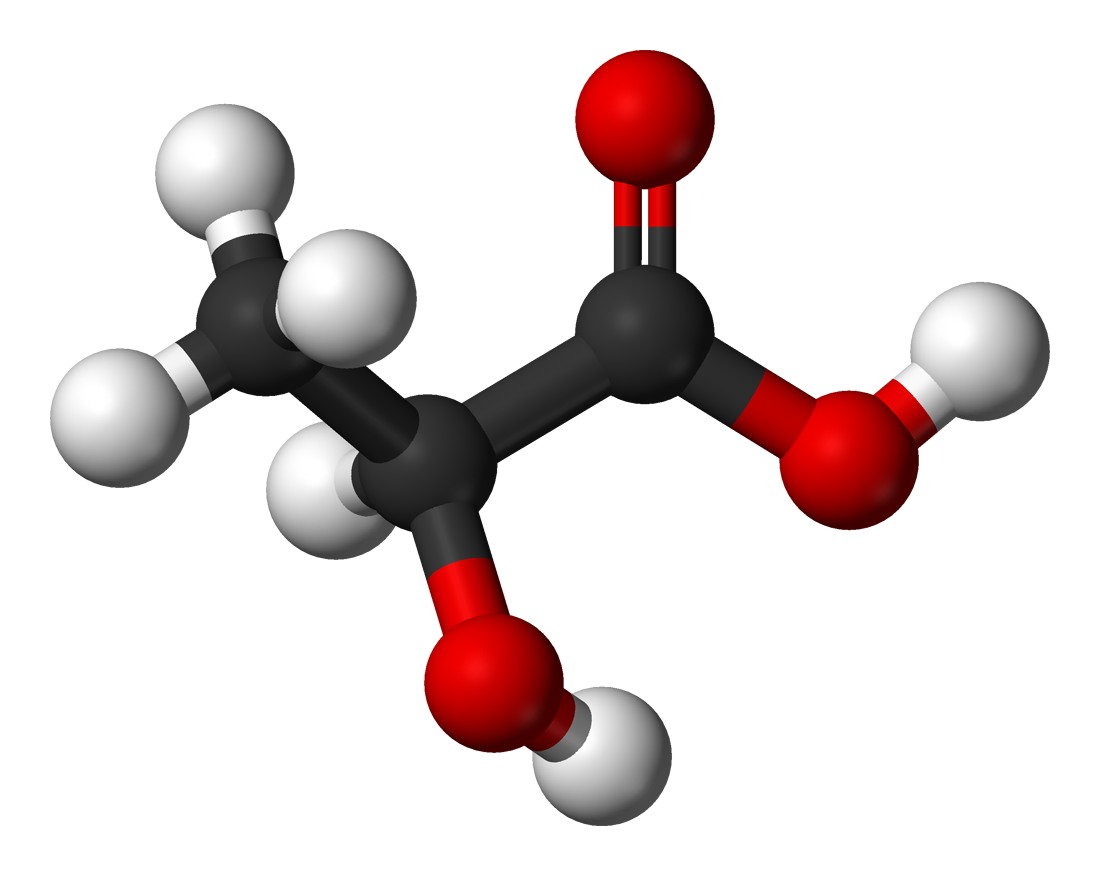
The Truth and the Myth
First and foremost, lactic acid does not cause muscle "soreness" those few days after a hard workout. In fact new research shows that lactic acid (a temporary fuel source during intense physical activity) will flush out of your system within an hour. So the muscle pain is caused by something else, but what?
The muscle pain is actually the result of damage (tearing) of the muscle cells during intense exercise. This in turn causes the inflammation and tenderness as the muscles begin to work to repair themselves. To reduce the possibility of muscle soreness after you workout, you will need to perform a warm just before exercising. This will wake up your muscles and prepare them for the physical activity. Also if you build up to a level rather than jumping straight to it, you will really decrease the possible soreness.

The Burning
While it is not lactic acid that causes the muscle soreness for a few days, it does cause burning sensations during your workout as lactic acid builds in the muscles during a hard workout. This is because the body typically uses oxygen to produce energy in the body but, when you push yourself harder your body requires a faster energy source than your body produces during aerobic exercises.
When this occurs, your body uses an anaerobic method to produce the needed energy, as it is faster than the aerobic method.
The lactic acid (lactate) is a natural by product of anaerobic energy production. Your body will continue to produce this type energy anaerobically for up to three minutes. It is during this period the your levels of lactic acid begin to increase rapidly, which causes burning sensation.
After the initial 3 minutes, your lactic acid begins slows down your muscles as a warning that your body is close to its physical limit, protecting you from injury and fatigue. Just reducing the lactic acid build up won't prevent muscle soreness, but it will allow you to work out hard for longer periods.
Hydrate
You can reduce the lactic acid build-up by hydrating frequently while you work out, as lactic acid is water soluble it will dilute as opposed to build-up in your muscles. Drink regularly as by the time you feel thirsty during a workout, you will already be partially dehydrated.
Breathe Deeply

The actual cause of the burn felt in your muscles during high intensity exercise is two fold: yes it is partly due to the build up of lactic acid in the muscles, however it is also due a lack of oxygen. To control this, be sure to breathe deeply and evenly throughout the range of the exercise. As you do this, the body delivers oxygen to your muscles stopping the lactic acid production process.
Frequency

The more regularly you train, the more physically fit you become... your body becomes far more efficient and will require less glucose. With less glucose utilization it follows that there will also be less acid build up.
Depending on what type of training you do, it should be done several times a week, However you must also allow the muscles some recovery time which is also dependent on the type and intensity of your training. Again it is recommended that you increase your intensity in your training gradually to gradually raise the levels at which your body will start to produce lactic acid.
Weights

Use common sense and caution when lifting weights as weightlifting tends to promote greater lactic acid build up because it requires even more oxygen than our bodies can deliver. And although you have heard the old expression "feel the burn," time after time... when there is a build up of lactic acid in your muscles, it can also lead to trauma in the muscles due to micro-tears that will leave you sore for days. Again be sure to increase both the weight as well as reps gradually to reduce lactic acid build up in your body.
Low Intensity

If you start to feel a burn, decrease the intensity of the training as that burning sensation you feel is a vital protective mechanism in your body, to prevent you from overexertion. So if you are doing aerobic activities, just slow your speed down a bit, if you are training with weights, lower the reps or weight. Catch your breath and more oxygen so your muscles will release the lactic acid that is building.
Stretch

As lactic acid will disperse 30 to 60 minutes after your workout, some stretching will also help release lactic acid. This will also help to alleviate burning or cramping in the muscles you may be experiencing. When you stretch your muscles lightly after intense exercise, it will also decrease the micro-trauma in the muscles and prevent that soreness in the following days.
Nutrition

And of course as always nutrition is vital... and especially magnesium, as it is essential for your body's proper energy production. Healthy magnesium levels help your body by delivering energy to your muscles during exercise as it also limits lactic acid build up.
Many foods contain good sources of magnesium including vegetables like swiss chard, spinach, collard greens, turnip greens and green beans. Beans, legumes and seeds are also a great source; navy beans, pinto beans, kidney beans, lima beans and seeds from pumpkin, sesame and sunflowers.
Foods that are rich in fatty acids will also help your body to break down and process the glucose, essential for your body's normal energy production and in turn limit your body's need for lactic acid during intensive training. It also keeps you going longer. Fatty acids come from a wide variety of sources like; cold water fish (salmon, tuna and mackerel), nuts and seeds (walnuts, flaxseed) and also from plant oils (corn oil, sunflower oil and soybean oil). The fatty acids work to reduce inflammation in the muscles which helps decrease the soreness following a tough workouts.
The range of B vitamins aid in transporting glucose around your body, to fuel the muscles during a workout which reduces your need of lactic acid. Foods with high quantities of B vitamins include; leafy green vegetables, cereals, peas and beans, as well as protein-rich foods (fish, beef, poultry, eggs and dairy). These are all high in B vitamins that will also replenish your body with the other nutrients that are burned off in high intensity training.
Happy Training!
.
.
.

Image Credit: galleryhip, muscleandfitness, houseoflife, kidshopeusa, greatist, weknowyourdreams, businessinsider, trainbodyandmind, mdhomehealth
I thought the burning meant it was working, I guess I should slow down. Thanks for the new info :)
Take the above precautions instead, slow down though when you must.
Whats up @kyusho I just followed and up voted. Hope you will stay with me & follow me.
You've covered some really good points. You can add supplements if you're not able to get magnesium and vitamin B. A multi-vitamin will do the job. At least it does for me. Loved your post :D
Thanks @rahul516 supplements will work, food source I think is better for me.
These are all great tips. I have been working out basically for as long as I can remember, so I haven't felt that "burn" in ages. My body is already used to all the workouts
Just keep it going!
that's good to know I learned a lot thanks to your post that's pretty useful I like it!
Thank you, s many people workout now, but so few know nutrition and or their own bodies... one goal here is to help with that.
Nutrition is so important in our lives...
So is training the body as what you do not use, you loose.
amazing post lots of facts came to be known today :)
That's the goal... best wishes.
Pretty good info, I didn't have such a firm understanding of lactic acid before this. However regarding "avoiding small muscle tears" - those are kinda unavoidable, right? Isn't that stress what tells your body to rebuild and add muscle + strength?
For example, research shows that even taking an Ibuprofen for anti-inflammatory effects after workouts reduces muscle hypertrophy.