Simulating A Global Coronavirus Pandemic
Somewhat amazingly in October of 2019 a global “epidemiological wargame” was played that involved a sudden pandemic of an unknown coronavirus. Reality shows us that we do need such simulations.
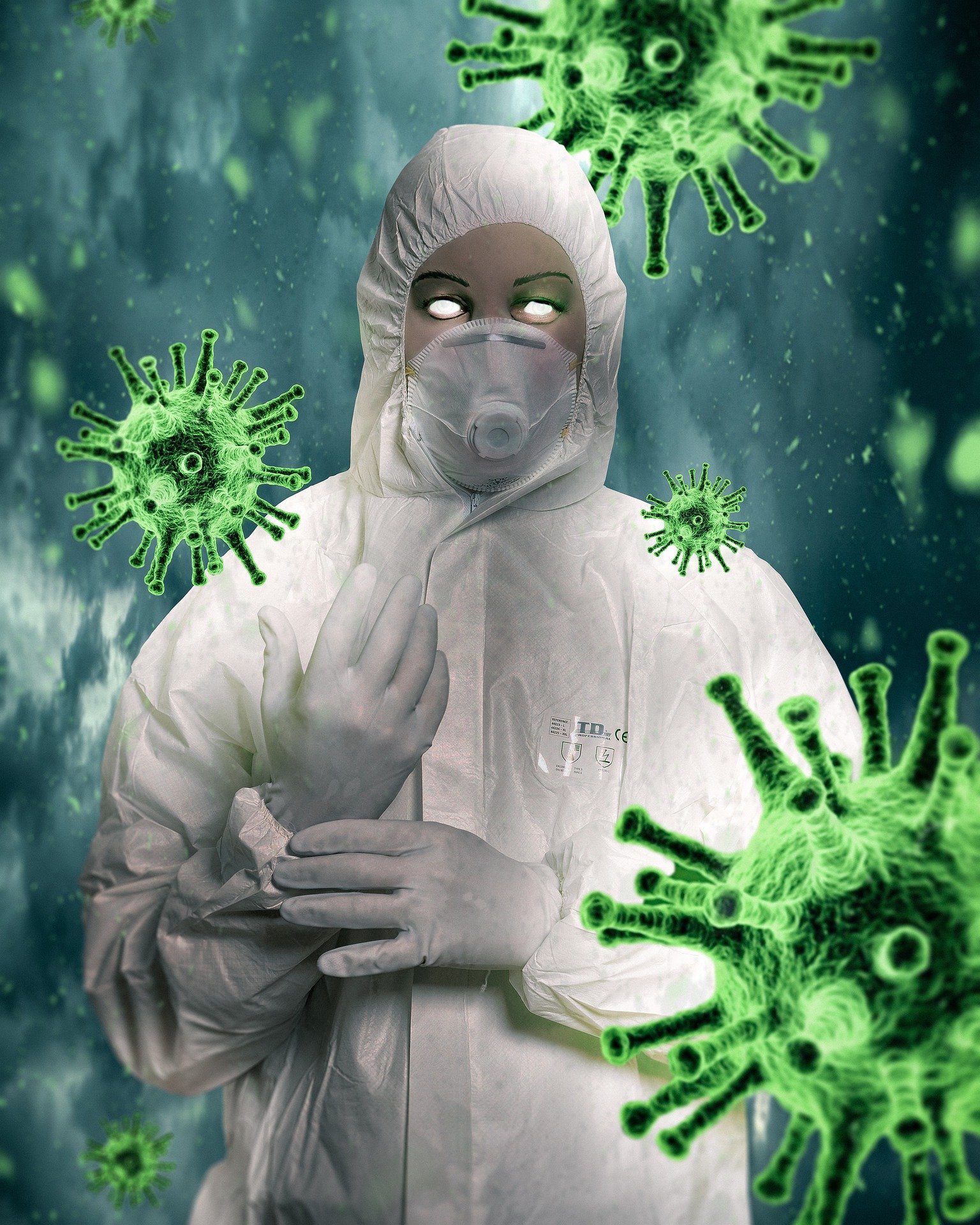
Image by freakwave from Pixabay
- Be also sure to check out my other posts and follow me @kralizec and subscribe to my Youtube channel at Kralizec Gaming Youtube Channel
CAPS – The Fictional Coronavirus
Experts from the Johns Hopkins Center for Health Security, the World Economic Forum, the Bill & Melinda Gates Foundation and the Centers for Disease Control and Prevention (CDC) came together just last October to test how the world would react if a global pandemic of an unknown coronavirus would occur. They tested how governments and experts were prepared and mainly what the economic impact would be. This was called Event 201.
Eric Toner and his colleagues from Johns Hopkins created a fictional coronavirus and nicknamed it CAPS and started the simulated pandemic. The source of the CAPS virus was a pig breeder in Brazil where a local farmer got ill. The lethality of CAPS was slightly higher than the lethality of SARS and it spread at roughly the same rate as seasonal flu.
The pandemic started inconspicuously. People who came in contact with the ill farmer and an unknown illness broke out with symptoms similar to the flu or pneumonia.
65 Million Simulated Dead
At first, the illness spread stealthily among the population of the overcrowded Brazilian slums and later in other South American cities. Soon air-travel got canceled and tourism, in general, was limited severely. But that didn't stop the virus. On top of that people spread gossip, hoaxes and bizarre fake news on social media about the illness. After just six months CAPS conquered the whole world. A year later – 18 months after the pandemic started – more than 65 million simulated people were dead.
After that the spreading slowed down but it would continue until a vaccine would be available or until 80-90 % of all people got ill. In the end, the result would be CAPS becoming another pervasive illness that would endanger everyone but mostly vaccinated children.
The simulation creators were mostly interested in the economic impacts of such a pandemic. And as you might guess – a world economic crisis would come. The stock markets would fall by 20 – 40 % and the GPP (Gross Planetary Product) would fall by 11 % - that is quite a lot.
The players in the “game” were experts – economical experts, virus experts or epidemic experts. The exact same type of people and sometimes even the exact same people who are currently reacting to the Wuhan Coronavirus.
Truthfully, the similarities between the simulation and reality are chilling. But at this time we do not know some of the key pieces of information about the Wuhan Coronavirus. While it seems that the lethality of Wuhan is lower than that of SARS it seems to spread a bit easier than seasonal flu.
Sources:
- https://futurism.com/neoscope/recent-simulation-coronavirus-killed-65-million-people
- http://www.centerforhealthsecurity.org/event201/scenario.html
- If you like the content I’m producing about science maybe you will like the content I produce about gaming as well! Be sure to check out my other posts!
These stats are more horrifying than an actual (next) World War.