A Brief Overview Of Quantum Computing
Quantum computing is the processing, studying and solving of problems based on the principles of quantum theory.
The theoretical concept of quantum computing was developed in 1981 by Paul Benioff of Argonne National Laboratory .

It is said that quantum computing would greatly enhance the productivity and performance metrics of the present modern day computers.
The foundations of the field quantum computing can be found in the field of mathematics, physics and computer science.
Though a relatively new field in computer science, quantum computing has grown to be one of the most interesting fields of study under quantum mechanics.
Quantum computing makes use of a type of algorithm known as quantum algorithm to solve problems.
These type of algorithms are developed from the study of quantum systems overtime and are said to be more elegant, faster, more precise and robust that any conventional day-to-day solution finding process.

Principles and Basis Of Quantum Computing
Given the large number of information available for computers to process today the processing speed of data has become an important factor in the efficiency metric of a computer.
Quantum computing uses the principles of superposition and quantum entanglement principles to process information at very high speed hereby increasing efficiency.
Quantum Superposition
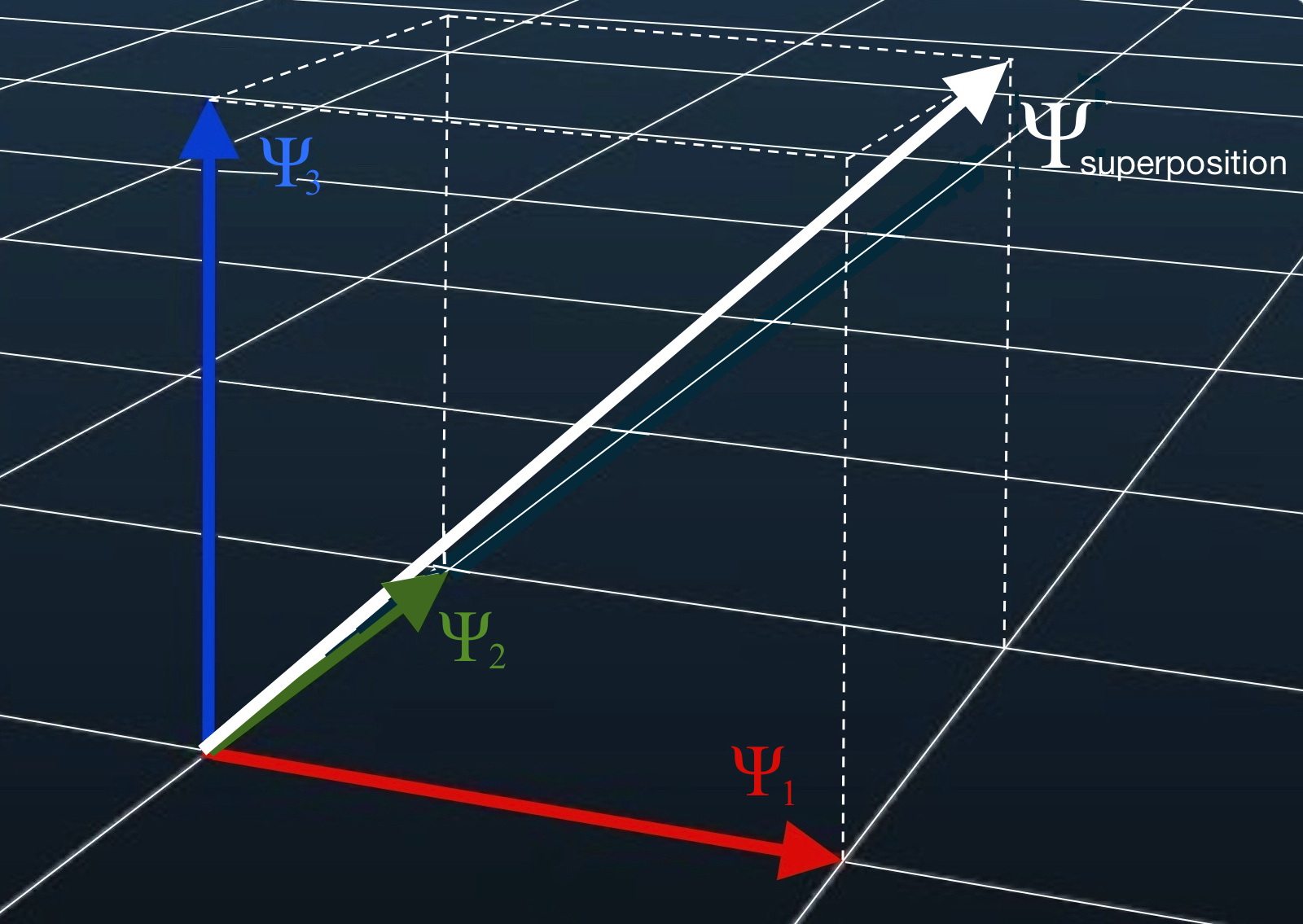
Before understanding quantum superposition we have to first of all understand the principle of superposition.
The principle of superposition states that
For all linear systems, the net response caused by two or more stimuli is the sum of the responses that would have been caused by each stimulus individually
What this principle simply means for quantum theory is that
Two quantum states can be added together to form a new and valid quantum state and at the same time one quantum state can be expressed as a result of two quantum states combined.
Quantum Entanglement
Quantum entanglement is not an abstract principle like its counterpart, rather it is a physical phenomenon that occurs when two materials A and B interact in such a way that the existence of the quantum state of A is dependent on the existence of the quantum state of B.
Quantum entanglement of two materials by measuring certain physical properties of both materials against each other and seeing if they correlate.

Qubit
A qubit or quantum bit is a measure of the basic unit of quantum information, just the same way a bit is the basic unit of information in modern day computers.

Quantum Supremacy
Quantum supremacy is the ability of quantum algorithms to solve problems that are devoid of solutions from classical algorithms.
This usually means a significant increase in processing time and sophistication of a classical algorithm in order for it to solve the problem in a faster and more efficient manner.
Quantum Decoherence
Quantum decoherence simply put, is the absence of quantum coherence.
When two quantum states are in a position where they interact with each other there's said to be coherence between them, the moment they start putting and end to that interaction the coherence among these state start decreasing over time which ultimately leads to decoherence.
Two or more coherent states coming together results in the formation of a bigger quantum state.
Benefits of Quantum Computing
1. Artificial Intelligence
Quantum computing and computers can greatly increase the field of machine learning and AI development.
The kind of processing speed offered by quantum computing is the type needed to further help improve on the present study or AI research and development.
2. Quantum Internet and Internet Security
Another notable advantage of quantum computing is the quantum internet.
Scientists in China have concluded the development of a quantum based internet system that's not penetrable security-wise.
3. Healthcare
Quantum computing allows for very fast analysis of complex modelling processes which can help in the study of proteins and other nutrients.
Quantum computing can also be used in personalized treatment and drug development because of their fast ability to analyze and produce data quickly.
4. Traffic Control and Optimization
Quantum Computing can help streamline the entire process of traffic control through any medium of transportation.
Their fast nature allows them to determine fast routes and deploy them to whoever needs to analyze the data in a very fast manner.
Quantum Computers
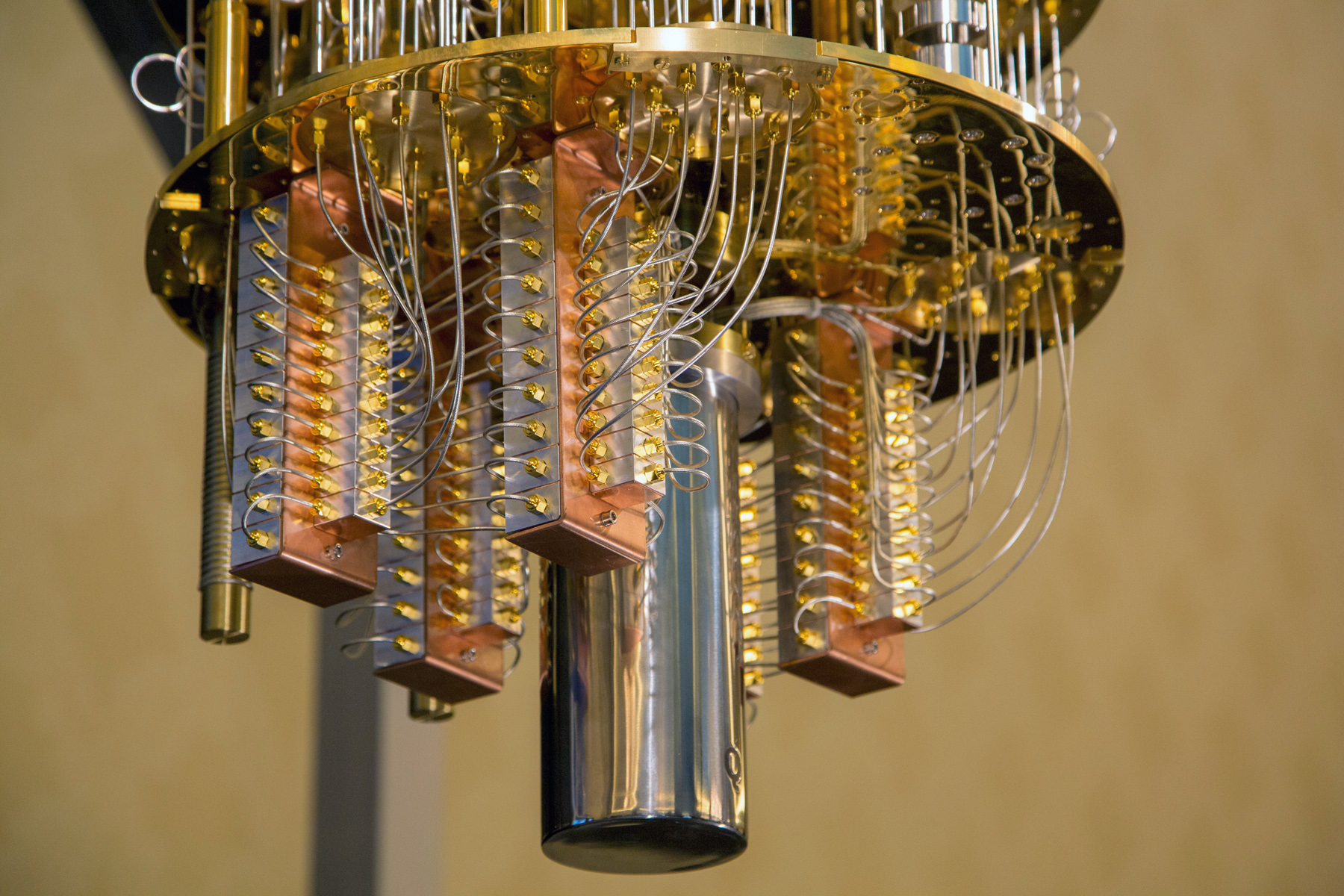
Quantum computers exist in superposition and their information is always encoded in qubits.
Qubits are atoms that work together to fill the role of memory and processor of a quantum computer.
Quantum computers are poised to be a million times more powerful than the most powerful computers in existence today.
The superposition principle which is the underlying working mechanism for quantum computing is the factor responsible for the parallelism characteristic of quantum computers.
Quantum computers control the data fed into them by using certain control devices
These control devices include
- Ion traps: Which traps ions using optical and magnetic fields
- Optical traps: Which traps little bits of matter using light waves
- Quantum dots: Which are semi conductors used to control electrons
- Semiconductor Impurities: Uses rejected atoms in semi conductors as containers to hold on to electrons
Evolution Of Quantum Computers
The study of quantum computing and quantum computers has not developed much past the theoretical stage.
Nevertheless, some breakthrough has been experienced in the physical implementation of quantum computers.
The following are achievements in the field of quantum computing briefly described and grouped by the year they came into fruition
1. In 1998, researchers from MIT and Los Alamos national lab spread a single qubit of data across alanine and trichloroethylene molecules.
2. In the year 2000, researchers at the Los Alamos National Lab developed a seven qubit quantum computer by applying electromagnetic pulses.
3. In 2001 researchers and scientists applied and demonstrated Shor's Algorithm successfully on a quantum computer.
4. In 2005, scientists used ion traps to create the qubyte which is a series of 8 qubits.
5. In 2006, scientists developed a 12 qubit system with different methods to control it.
Types Of Quantum Computers
According to IBM, there are three types of quantum computers considered to be possible for development and they include
1. Quantum Annealer: Which is the cheapest and easiest to develop of all quantum computer yet with no obviously proven advantage over present modern day computers.
This type of quantum computer can be used to perform the same functions as the present modern day computers.
2. Analog Quantum: This type of quantum computer is much more functional than the quantum annealer, able to undergo more powerful and is estimated to contai about 50 to 100 qubits.
Analog quantum can be useful potentially in the fields of quantum chemistry, material science and quantum dynamics.
3. Universal Quantum: Which happens to be the most powerful quantum computer in theoretical existence but with a number of technical challenges in realization.
It is estimated to contain over a 100, 000 qubits.
The universal quantum computer is potentially applicable in the field of machine learning, cryptography, quantum dynamics, sampling, searching and so on.
Good post. Upvoted. Now following you.
I have studied articles on quantum computing but unfortunately I am still confused on how they entangle the Qubits to perform the calculation they are working on.
Maybe in time I will get it but right now its still quite confusing.
Oh yeah, time to start investing in quantum-proof cryptocurrencies BTW :)