Herbs and Health
Many years ago, I first harvested my own fresh herbs from the garden… and was lost. Never again could I fully appreciate the shrivelled fare in jars. Oh, sage, thyme and bay were tolerable, but something unfortunate happened to parsley and basil when they were dried. As my stock of herbs grew, I realized that many of them were wonderfully good for you, too: parsley is high in vitamin C, iron and minerals; pungent fenugreek is loaded with different elements. Not surprisingly, anise, rosemary, sage, borage and most other culinary herbs have gained reputations in medicinal lore as well.

In fact, many of today’s most potent and widely-used medicines were originally derived from plants, even though they are generally now synthesised artificially in laboratories. Digitalis (from foxgloves) atropine (the nightshade family), aspirin (willow bark and meadowsweet), aconite (monkshood), galanthamine (snowdrops) quinine (Chincona spp.) and numerous other treatments for a huge range of illnesses would not be with us today if not for the discovery centuries ago of the healing properties of the plants themselves. The recent popularity of herbal remedies and natural therapies has seen the resurrection of originals, so that willow bark is – rather ironically, I think – touted as an alternative to aspirin.
Before we look at medicinal plants, a word of caution. Medicinal herbs that are also classified as culinary are generally safe for experimentation (though even here, excess consumption can be toxic, such as of those high in oxalic acid like sorrel). Conversely, many agents and associated chemicals in purely medicinal plants are potent and highly toxic even in low doses, or when handled: when I worked in a plant nursery, I donned gloves when dividing dormant monkshood plants (Aconitum napellus).
Second, and unlike synthesized drugs, the concentration of active agents in plants varies enormously depending on their genes and their growing conditions (just like flavour in culinary herbs, active components in medicinal herbs can be altered by sunlight or particular soil and microclimate conditions). Two leaves infused 5 mins. might be the right dose grown in one place, but cause an overdose grown elsewhere! When the difference between effective dose and overdose is small, the result can be – and often has been - fatal.
Third, unlike a commercial preparation where the active ingredient has been purified and/or isolated, medicinal herbs inevitably contain a mixture of additional chemicals (often alkaloids) which may be toxic. Commercial essential oil preparations of many herbs – including culinary ones – are pure, but so concentrated as to be toxic when ingested in small amounts; even qualified herbal practitioners are cautious about prescribing them internally. Fortunately, you would have to eat vast amounts of the fresh herb itself to ingest the equivalent amounts, so infusions of culinary herbs with medicinal properties from your own garden are a pretty safe bet.

Fourth, medicinal herbs – and some culinary ones, even fruit and vegetables! – can react negatively with prescribed medication. An infamous one is grapefruit, which interferes with the absorption of the contraceptive pill; St John’s Wort should not be combined with certain antidepressant drugs. Any strongly diuretic herbs can interfere with the concentration of prescription drugs in the bloodstream.
Therefore, although commercial herbal remedies have been approved as safe by the TGA when used as prescribed, never assume that your home-made concoction of herbs is safe, just because it’s ‘natural’. A toxic alkaloid is equally toxic whether it’s extracted from fresh leaves in an infusion, or manufactured in a laboratory! Children, pregnant women, the elderly and anyone with a medical condition or on prescription medication should always consult their doctor before commencing any medication, herbal or otherwise. And, unless you are a qualified herbalist, I strongly discourage readers from experimenting with medicinal herbs that are not simultaneously classified as culinary herbs. I’ve deliberately separated purely medicinal herbs from culinary ones and omitted details of their action in my list below, but have instead included web links for those who wish to look further.
Herbs for Health at Home
The following herbs have a long history of use in treating ailments. However, although folk remedies and herbal lore are regularly vindicated by science, few have been rigorously evaluated as to their efficacy or otherwise. Do not experiment with herbal remedies if you are pregnant and do not consume excessive quantities. However, used in moderation, fresh culinary greens and seeds gathered from your own garden, unpolluted by toxic sprays, may contain a range of healthy minerals and elements your body will love!
Culinary herbs with medicinal properties
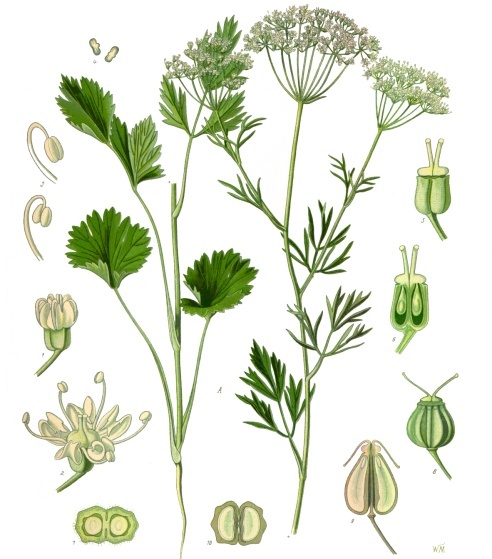
Anise: This soothing herb is used to treat digestive disorders, coughs and sleep disorders. Infuse 10g of seed in 1L of boiling water for 10mins.
Bay: Traditionally, an infusion (see rosemary, below) was used to treat reflux, flatulence and other digestive ailments.
Borage: Traditionally used to treat coughs and lung complaints, borage is anti-inflammatory and diuretic. Infuse 60g of dried leaves in 1 L of boiling water. (Prolonged use is not recommended and it should be avoided by those suffering from epilepsy or schizophrenia.)
Chervil: Used to treat circulatory disorders, eye inflammations and as a skin tonic. Boil 40g of leaves in 1 L water for half an hour, strain, cool and use as a facial or eye compress three times daily.
Fennel: Outstanding for treating digestive complaints from colic to flatulence; the root is diuretic and used to treat bladder and kidney disorders. Infuse 60g of crushed seeds in 1 L of boiling water for 5 minutes and strain.
Fenugreek: Seeds are full of many essential elements and are excellent for digestion and as a general tonic. Recent scientific investigation suggests that fenugreek contains a compound involved in the synthesis of female sex hormones; women in northern Africa traditionally took the herb to improve milk flow and plump out breasts. Boil a standard infusion of crushed seeds for 15 minutes, strain and drink 3 cups daily.
Garlic: Traditionally used to treat digestive disorders and regulate hypertension and blood sugar levels, modern science has confirmed the antiseptic, antibiotic, and numerous health benefits of fresh garlic. Applied externally, garlic oil is a powerful antiseptic. You can infuse garlic but it’s so delicious that you might as well just cook with it regularly!
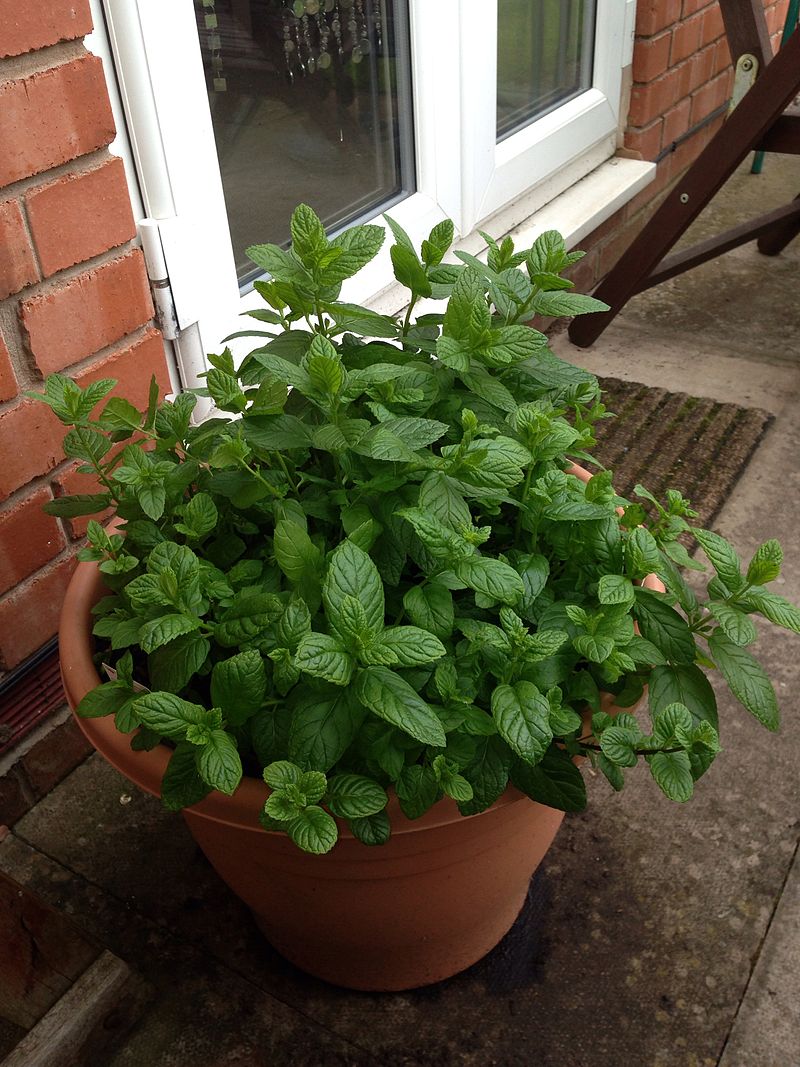
Mints: Famous for their antiseptic and anaesthetic properties, mints have been used externally on wounds and internally for mouth ulcers, sore throats and coughs, as well as for digestive complaints. Infuse 60g leaves in 1L of boiling water and drink 1 cup a day after breakfast and lunch.
Parsley: Aids digestion; rich in vitamin C, iron, magnesium and a general multivitamin pill!
Rosemary: A stimulant, anti-spasmodic and diuretic; traditionally used to treat anxiety, depression and asthma. Infuse 30g of flowering tips in 1 L of hot water for 10mins. and strain (this the standard infusion repeated with following herbs unless otherwise noted). Drink 3 cups daily.
Sage: excellent for digestive complaints, sage is astringent and has been used to treat everything from mouth ulcers and hair loss to fever and diarrhoea! A standard infusion boiled for 5 minutes and steeped for five more makes an excellent tonic; sweeten with honey if you prefer. Do not use in large amounts or for a prolonged period.
Sorrel: High in vitamin C, laxative and diuretic. Drink the standard infusion three times daily but not for prolonged periods due to oxalic acid content.
Thyme: A powerful antiseptic, thyme is an excellent general tonic and improves digestion. Infuse 60g in 1L of boiling water for 5 minutes, strain and drink a few cups daily. A stronger infusion can be used as a gargle (but do not swallow).
Watercress: Very high in Vitamin C and minerals, peppery watercress is an excellent general tonic.
Herbal Teas:
Numerous herbal teas exist and all of them have various claims to medicinal fame. Try chamomile, linden, bergamot, lemon balm and lemon verbena.
Medicinal Herbs:
When reading about medicinal herbs, remember that many, like monkshood and hellebore, can be highly toxic.
Aloe (Aloe vera) Celandine (Chelidonium majus) Comfrey (Symphytum officinale) Echinacea (Echinacea violacea) English Daisy (Bellis perennis) Evening primrose (Oenothera) Lady’s Mantle (Alchemilla vulgaris) Milk thistle (Silybum arianum) Mullein (Verbascum thapsus) Orris (Iris germanica) Primrose (Primula vulgaris) Stinging nettle (Urtica dioica) Sweet Flag (Acorus calamus) Sweet Violet (Viola odorata) Valerian (Valerian officinalis) Willow (Salix alba)
Sources:
- https://hort.purdue.edu/newcrop/cropmap/indiana/crop/medicinal.html
- https://ageless.co.za/medicinal-herbs-uses.htm
- http://agebb.missouri.edu/mac/links/linkview2.asp?catnum=132&alpha=H
- https://learnaboutherbs.com/gallery/
- http://www.blessedmaineherbs.com/
- https://www.medicalnewstoday.com/releases/37020.php
- http://heirloomseeds.com/
Congratulations @folke! You have completed the following achievement on the Steem blockchain and have been rewarded with new badge(s) :
Click here to view your Board
If you no longer want to receive notifications, reply to this comment with the word
STOPTo support your work, I also upvoted your post!