Mind-Wandering: What is Distraction?
Distraction is basically the action of diverting an individual's attention from a desired activity of interest and thus decreasing or blocking the reception of desirable information. Distractions can be for any length of time and can involve even simple tasks such as watching TV, reading a book, eating, drinking or socializing. Distractions can be caused by many factors and there is no specific tool to recognize when it has happened. The key to dealing with distractions is first identifying what the source of distraction is and then finding a way to redirect your attention and get back to what you are doing.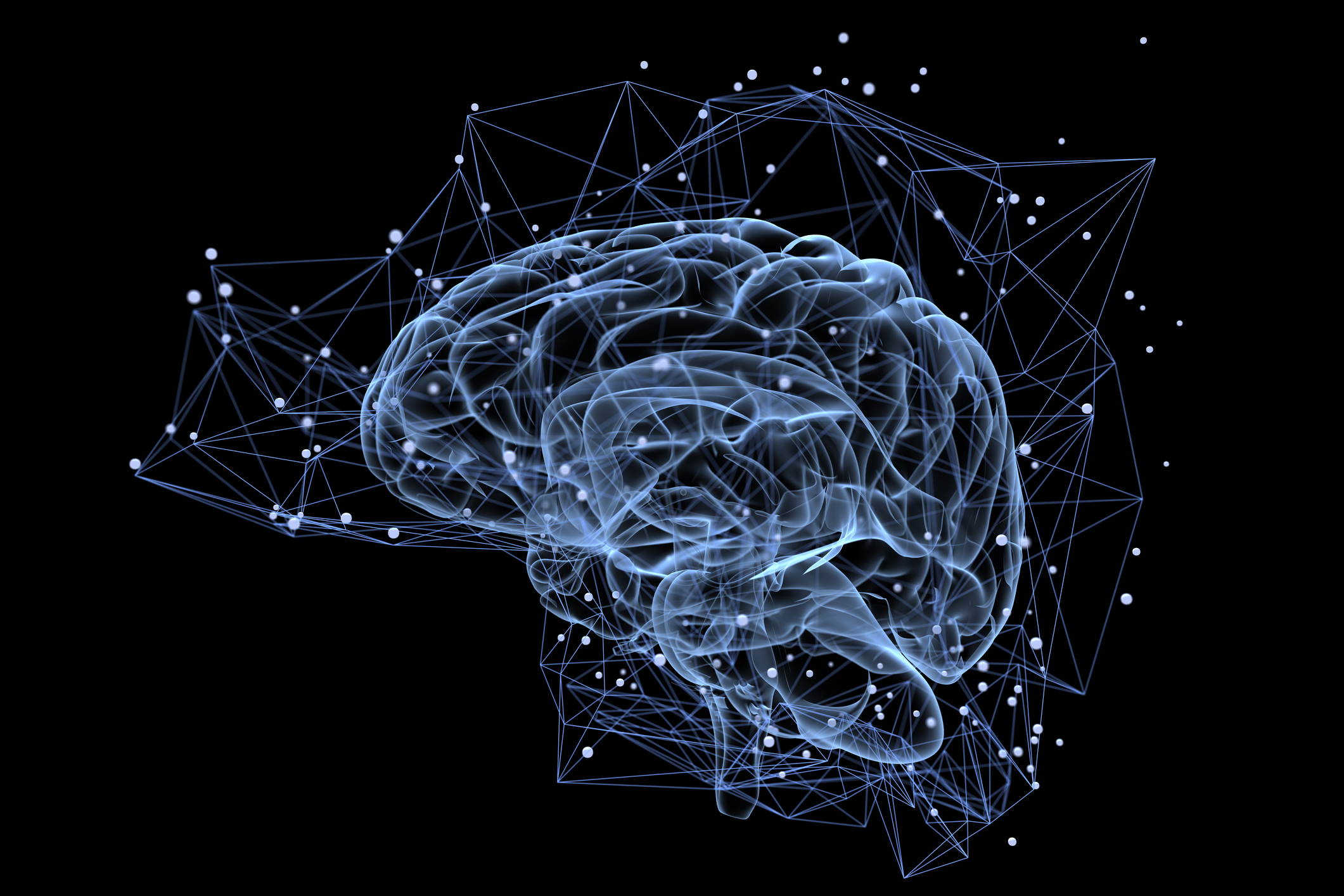
The first tool for distracting yourself is to remember what is distressing or important. Studies show that remembering unpleasant memories often links distress or a negative response to what was once very common and pleasant. This technique is often used to help with phobias and controlling excessive hair pulling. Another common distraction that is often used is to simply walk away. This may be a short term solution but can work wonders if you have an underlying disorder that impairs your ability to focus.
The most common distraction that people engage in on a daily basis is focusing on the wrong thing. Many of us will multitask, going over the plan, coming up with the perfect response and then spending a half-hour or so focused on that one thing, not paying attention to anything else. You might be thinking to yourself, "What is the wrong thing?" but by not paying attention to anything else, it becomes easy to say, "I'm thinking about the wrong thing." The key here is to not stop and think, just continue on with your task.
Other types of distraction can be found everywhere, for example, a loud neighbor who walks past while you're working in your garage, or a child playing in the street right next to you. The most common distraction is found in what we think about and focus on, however, there are also some distillation methods that can help reduce the number of distractions in our day. Some distraction techniques include reading, watching TV, listening to music or talking on the telephone. While this may seem more complicated than walking away from the task at hand or staying focused on what you're doing, these methods can be very effective at eliminating the need to use your energy to focus on something that is distracting.
One distraction that is often used is reading negative or unpleasant pictures. For instance, a person may read a disturbing picture of violence toward another person, which then causes the person to spend a few moments looking away from the negative images. Although you may find it hard to ignore the upsetting picture, after a few moments, you may feel the urge to look away from it and thus start focusing on something else. You should realize that although reading unpleasant pictures may be effective in distracting yourself, the longer you're distracted from what you're reading, the worse you'll feel and the more likely it is you'll forget what you were reading in the first place.
Another common distraction is to pay attention to an object without really focusing on it. For example, if you're watching someone play with a toy truck, you could be very easily distracted by the truck and not take the time to really examine what's going on. However, if you pay attention to the toy truck while ignoring all else, you may end up feeling more upset about what's transpiring. The difference between paying attention and mind-wandering is that when you pay attention, you're more likely to remain fully aware of what's happening. When you mind-wander, you tend to get distracted by random bits of information that may not be relevant to your current question or the task at hand.
Distraction can also occur when you're performing a task that requires that you remain completely still. When you become so engrossed with your work that you can't take your eyes off it, you're engaging in a form of physical distraction. For instance, when you're working on an essay for school or working on a report for work, it's sometimes difficult to be mindful of how your hands are moving or what words are being said. This kind of physical distraction, however, is often used to make the task more difficult, so using distraction to combat this kind of mental strain is important.
One way to combat mind-wandering is to think about something entirely different while focusing on it. It may sound odd, but by concentrating on something completely different while paying attention to it, you may be able to clear your mind of the distracting thoughts. This technique requires that you be completely still in order to do this, however. Once you've completed a concentrated block of time during which you weren't distracted, then continue on with your task.
Congratulations! Your post has been selected as a daily Steemit truffle! It is listed on rank 10 of all contributions awarded today. You can find the TOP DAILY TRUFFLE PICKS HERE.
I upvoted your contribution because to my mind your post is at least 8 SBD worth and should receive 50 votes. It's now up to the lovely Steemit community to make this come true.
I am
TrufflePig, an Artificial Intelligence Bot that helps minnows and content curators using Machine Learning. If you are curious how I select content, you can find an explanation here!Have a nice day and sincerely yours,

TrufflePig