Visual arts

The visual arts are art forms such as ceramics, drawing, painting, sculpture, printmaking, design, crafts, photography, video, filmmaking, and architecture. Many artistic disciplines (performing arts, conceptual art, textile arts) involve aspects of the visual arts as well as arts of other types. Also included within the visual arts are the applied arts such as industrial design, graphic design, fashion design, interior design and decorative art.
Current usage of the term "visual arts" includes fine art as well as the applied, decorative arts and crafts, but this was not always the case. Before the Arts and Crafts Movement in Britain and elsewhere at the turn of the 20th century, the term 'artist' was often restricted to a person working in the fine arts (such as painting, sculpture, or printmaking) and not the handicraft, craft, or applied art media. The distinction was emphasized by artists of the Arts and Crafts Movement, who valued vernacular art forms as much as high forms. Art schools made a distinction between the fine arts and the crafts, maintaining that a craftsperson could not be considered a practitioner of the arts.
Education and training
Training in the visual arts has generally been through variations of the apprentice and workshop systems. In Europe the Renaissance movement to increase the prestige of the artist led to the academy system for training artists, and today most of the people who are pursuing a career in arts train in art schools at tertiary levels. Visual arts have now become an elective subject in most education systems.
Drawing
Drawing is a visual art that requires the working of a relationship on a surface, namely the expression of objects by the line or by patches or by any instrument.
It is a form of visual arts: plastic arts and one of the seven arts.
The drawing may be a recording of the quick lines of some observations or scenes and thoughts of a form at a certain moment, and may be preparatory work for another means of artistic expression, but often it is a separate independent artistic work.
Painting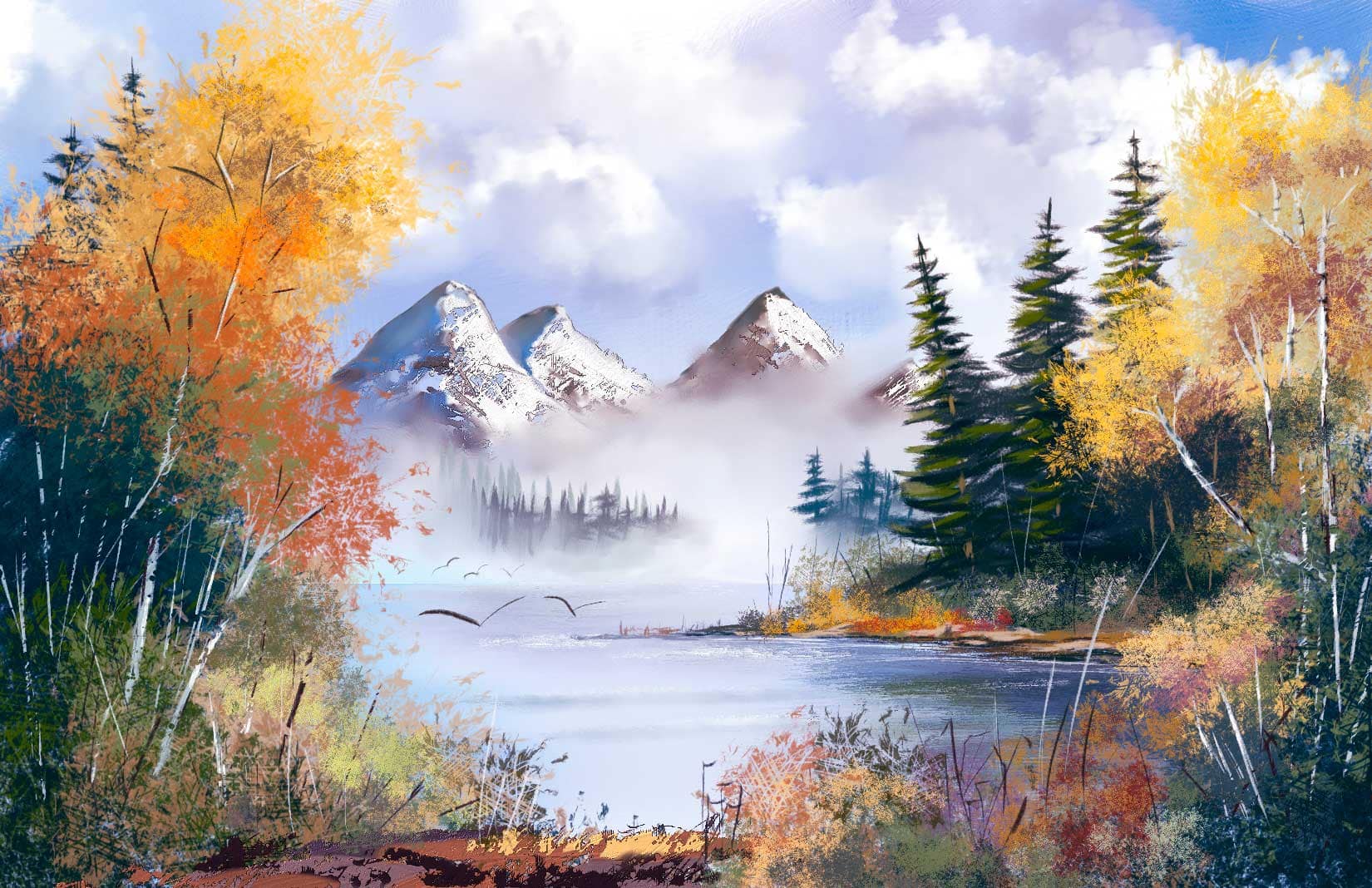
source
Painting taken literally is the practice of applying pigment suspended in a carrier (or medium) and a binding agent (a glue) to a surface (support) such as paper, canvas or a wall. However, when used in an artistic sense it means the use of this activity in combination with drawing, composition, or other aesthetic considerations in order to manifest the expressive and conceptual intention of the practitioner. Painting is also used to express spiritual motifs and ideas; sites of this kind of painting range from artwork depicting mythological figures on pottery to The Sistine Chapel to the human body itself.
Printmaking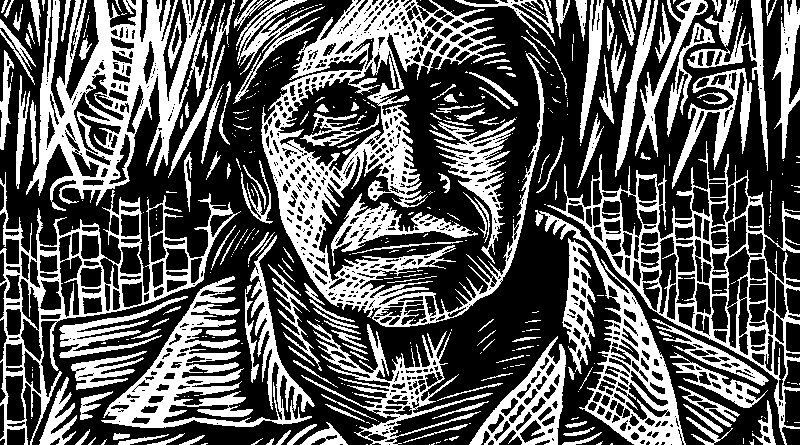
source
Printmaking is creating, for artistic purposes, an image on a matrix that is then transferred to a two-dimensional (flat) surface by means of ink (or another form of pigmentation). Except in the case of a monotype, the same matrix can be used to produce many examples of the print.
Historically, the major techniques (also called media) involved are woodcut, line engraving, etching, lithography, and screenprinting (serigraphy, silkscreening) but there are many others, including modern digital techniques. Normally, the print is printed on paper, but other mediums range from cloth and vellum to more modern materials. Major printmaking traditions include that of Japan (ukiyo-e).
Photography
source
Photography is the science, art, application and practice of creating durable images by recording light or other electromagnetic radiation, either electronically by means of an image sensor, or chemically by means of a light-sensitive material such as photographic film.
Filmmaking
source
Filmmaking (or, in an academic context, film production) is the process of making a film, generally in the sense of films intended for extensive theatrical exhibition. Filmmaking involves a number of discrete stages including an initial story, idea, or commission, through screenwriting, casting, shooting, sound recording and reproduction, editing and screening the finished product before an audience that may result in a film release and exhibition. Filmmaking takes place in many places around the world in a range of economic, social, and political contexts, and using a variety of technologies and cinematic techniques. Typically, it involves a large number of people, and can take from a few months to several years to complete.
Computer art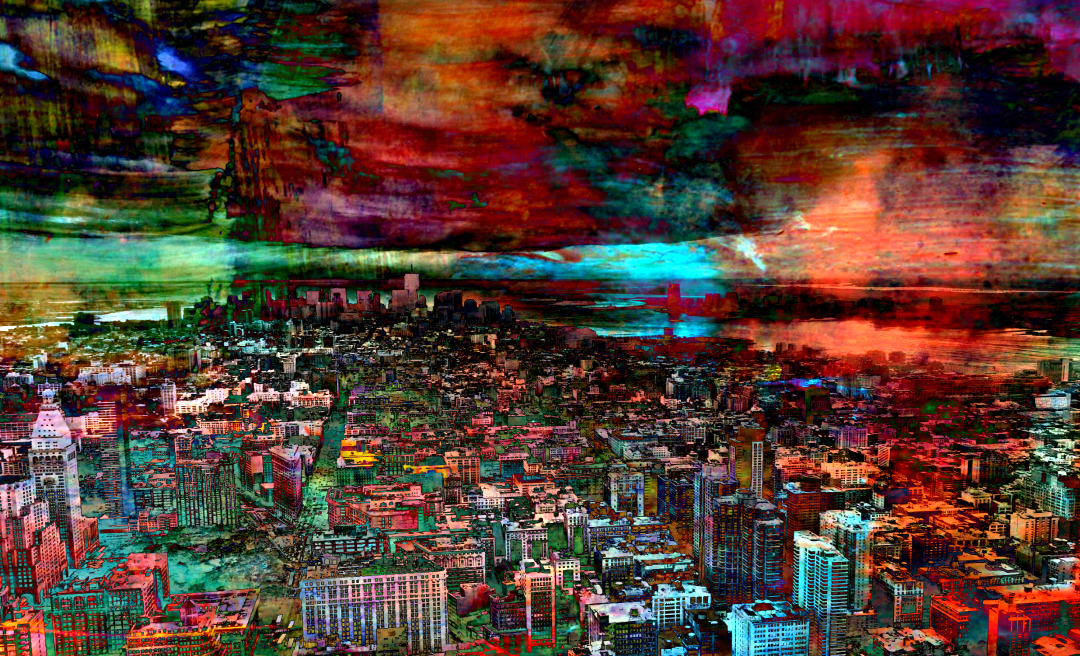
source
Digital art is a computer-generated art in digital form. Examples of digital art are images taken by the scanner or images drawn with drawing software using a mouse or drawing board. Digital data (writing, audio, video, etc.) is not digital art, but it may be used to modify or create a work, which can be called "digital art." The Internet has represented a new dimension to art, supported by links between artist, artwork and recipient. In this regard, the web has become a cornerstone of digital success and has also established itself as a privileged exchange of information.
Congratulations @art-s! You have completed some achievement on Steemit and have been rewarded with new badge(s) :
Click on any badge to view your own Board of Honor on SteemitBoard.
To support your work, I also upvoted your post!
For more information about SteemitBoard, click here
If you no longer want to receive notifications, reply to this comment with the word
STOP