Benefits of cabbage
The cabbage is known scientifically as Brassica oleracea, a leafy or bipolar plant whose native habitat is the Mediterranean, [1] a green leafy vegetable with many health benefits. [2] Cabbage belongs to the cruciferous family vegetables, Also include: flower, broccoli, brussel sprouts, kale cabbage and Bok choy, known for their multiple health benefits, several of which are recommended weekly. [3] Cabbage and flower are perhaps the most famous VegetablesFollowed by broccoli, and in this article detailed about the most important health benefits of cabbage.
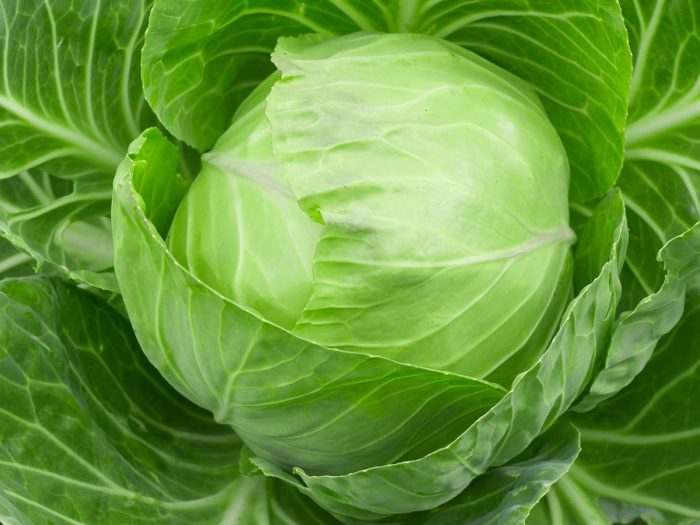
Cabbage is an important dietary source of many vitamins, such as vitamin C, vitamin K and vitamin B6 (if we compare its content with calories), folate (folic acid) and some minerals, such as potassium. It is also a good source of calcium, Especially for people who do not eat milk and milk products, and rely on other sources to get their needs of calcium, in addition to cabbage is a source of dietary fiber, low in carbohydrates and calories, which is a high source of sulfur.
Benefits of Cabbage
Green leafy foods are among the most healthy foods that can be eaten. Although cabbage does not carry dark green, it is one of these green leafy vegetables, and has many health benefits.
The benefits of cabbage include the following: On many cancer-resistant compounds, and 70% or more of the studies that examined this aspect found a correlation between eating cruciferous vegetables and reducing the risk of cancer. Some phytochemicals were found to contribute to the removal of toxicity of carcinogens Before causing damage to the vinegar In addition to their role in reducing oxidative stress in the body, some studies have found that eating cabbage and similar vegetables from the same family reduces the risk of bladder cancer, colorectal cancer, stomach cancer, lung cancer, prostate cancer and pancreatic cancer.
Cholesterol reduction, where some studies have found that adding cabbage to a drink containing fruits and some other vegetables for 3 - 9 weeks reduces bad cholesterol in people with high blood cholesterol.
Some studies found the role of cabbage in both morning sickness during pregnancy (Morning sic kness, asthma, osteoporosis and other conditions, but these roles require further scientific research to prove them. Cabbage use relieves the pain and stiffness associated with breastfeeding.
Cabbage works to protect the stomach from intestinal hydrochloric acid It has effects in the regeneration of the mucosa, because it contains a factor resistant to ulcers.

Cautions for using cabbage
The use of cabbage is safe in the amounts normally consumed in the diet, and its treatment is also safe.
Its therapeutic uses have no side effects or adverse effects on health as long as they are used in the correct quantities.
Cloves on the breast during breastfeeding are safe when used several times a day for a day or two, but should be avoided by lactating women, even at regular doses, for possible colic in infants.
In the It is preferable to avoid eating cabbage by people with hypothyroidism because of its negative effects in these cases, Fortunately this effect of cabbage and other vegetables belonging to the same family can be removed by heat (cooking).
It can reduce blood sugar, so caution should be taken by diabetic patients. It can also interfere with the ability to control blood sugar during surgery, so it should be discontinued at least two weeks before surgery.
#life
Mother Teresa:In this life we cannot do great things. We can only do small things with great love.